
English 
T: +86-18251114333
E: kingleo_sz@126.com
E: kingleo_sz@126.com
3rd Floor, Building 2, No. 338 Jiangzhuang Road, Guoxiang Street, Wuzhong District, Suzhou City
Views: 0 Author: Site Editor Publish Time: 2025-11-13 Origin: Site


Foot health is crucial for our overall well-being, and Gel Metatarsal Pads are a popular solution for alleviating foot pain. These pads are designed to relieve pressure and provide support to the ball of the foot, helping with conditions like metatarsalgia, bunion pain, plantar fasciitis, and more. But a common question arises: Is it necessary to wear gel metatarsal pads on both feet, or is one pad sufficient? In this article, we will explore the reasons for using gel metatarsal pads on one or both feet, as well as the benefits and considerations of each approach.
Gel Metatarsal Pads are designed to provide cushioning and relief to the ball of the foot. They are often made from materials like soft gel or silicone, which help absorb pressure and redistribute weight away from painful areas. These pads are primarily used to relieve discomfort from various foot conditions, such as:
Metatarsalgia (pain in the ball of the foot)
Bunions (a bony bump at the base of the big toe)
Plantar Fasciitis (heel pain)
High arches and flat feet
Morton’s Neuroma (nerve pain between toes)
The pads are flexible, durable, and can be used in a variety of footwear, making them a versatile solution for foot pain.
Gel pads work by redistributing pressure that typically concentrates on the ball of the foot. By doing so, they alleviate pain, reduce inflammation, and offer support to the arches of the foot. The gel material also helps absorb shock with each step, reducing the impact on your feet, knees, and lower back.
Foot Condition | How Gel Pads Help |
Metatarsalgia | Alleviates pain in the ball of the foot |
Bunions | Reduces pressure on the bunion area |
High Arches | Provides support and cushioning to reduce foot strain |
Flat Feet | Helps distribute weight evenly across the foot |
Morton’s Neuroma | Reduces pressure on the nerve between toes |
Wearing gel metatarsal pads on both feet helps maintain symmetry in your body’s alignment. When one foot is unsupported, the other often compensates, leading to imbalanced posture. This can cause strain on the knees, hips, and back. By wearing pads on both feet, you ensure that pressure is evenly distributed, promoting better overall balance.
If you wear a gel pad on just one foot, the unsupported foot may experience excess pressure, leading to discomfort or even injury. Over time, this imbalance could result in foot deformities or exacerbate existing conditions. Wearing pads on both feet ensures that weight is distributed evenly across your feet, which can reduce the risk of developing new foot problems.
The goal of using gel metatarsal pads is not just short-term pain relief but also long-term foot health. By addressing discomfort in both feet, you prevent further damage that could result from uneven pressure distribution. For example, if one foot is left unsupported, it could lead to additional stress on the joints, muscles, and ligaments, contributing to long-term health issues.
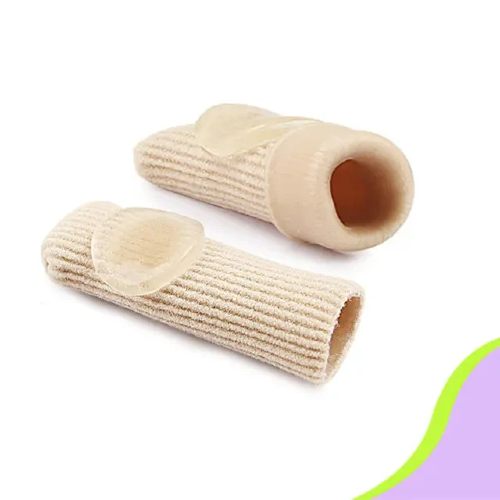
In some cases, wearing a gel pad on only one foot is sufficient. For instance, if you suffer from a specific condition like Morton’s Neuroma, which affects only one foot, applying a gel pad to just that foot can provide adequate relief. This targeted approach can help focus the cushioning and support on the affected area without the need for unnecessary padding on the unaffected foot.
Some individuals experience asymmetrical foot strain, meaning one foot bears more weight or experiences more discomfort than the other. For these individuals, it may not be necessary to wear a gel pad on both feet. Instead, focusing on the foot that is in more pain can be a cost-effective solution while still providing relief.
While gel metatarsal pads are relatively affordable, it may not be necessary to invest in two pads if only one foot requires support. If you have a tight budget or are trying to minimize costs, wearing a pad on just one foot may suffice temporarily. However, this approach should be monitored, and if the discomfort in the other foot develops over time, consider investing in a second pad.
Each person’s foot shape and size can affect whether or not both feet need gel metatarsal pads. If one foot is significantly different in size or shape, it may require more support. For example, those with flat feet or high arches may find that one foot is more prone to pain than the other. If both feet need extra support, then wearing pads on both feet is ideal.
Your activity level and how long you’re on your feet each day also play a role in deciding whether to use one or both pads. Athletes or people who engage in high-impact activities may benefit from wearing gel metatarsal pads on both feet for enhanced support and comfort during exercise. For those with a sedentary lifestyle or minimal foot strain, one pad may be enough for occasional use.
The best way to decide whether you need one or both gel metatarsal pads is to monitor the discomfort in your feet. If both feet feel pain or discomfort, it’s better to use pads on both feet to ensure even relief. However, if one foot is noticeably more painful, focus on that foot with a gel pad and reassess periodically.
If you're unsure whether to wear one or both pads, consult a healthcare professional such as a podiatrist. They can provide a thorough evaluation of your foot condition and offer personalized recommendations based on your needs.
Sometimes the best approach is simply to try both options. Start by wearing pads on both feet and evaluate whether they help with comfort and pain relief. If you find that one foot benefits more from the pad, you can switch to using only one, and vice versa.
Wearing Gel Metatarsal Pads on both feet is generally recommended for balanced pressure distribution, better posture, and long-term foot health. However, for individuals with asymmetrical foot conditions, such as Morton’s Neuroma, wearing the pad on just one foot may be sufficient. The decision ultimately depends on the severity of your discomfort, your foot shape, and specific needs.
If you’re unsure whether to use one or both pads, starting with pads on both feet is a good idea to evaluate how they improve comfort and relieve pain. If one foot is more affected, you can opt for using only one pad as a cost-effective solution. For the best results and personalized advice, it’s always a good idea to consult with a healthcare professional.
For more information on Gel Metatarsal Pads and other foot care solutions, we recommend reaching out to Suzhou Kingstone Garments Co., Ltd. They offer a range of high-quality products designed to improve foot comfort and alleviate pain. Their team can assist you in selecting the right products tailored to your needs. Contact them today for more details or to make an inquiry.
Do I need to wear Gel Metatarsal Pads on both feet?
While it’s generally recommended to wear pads on both feet for balance, wearing them on just one foot can be sufficient for conditions like Morton’s Neuroma or if one foot is more affected by pain.
Can wearing a pad on one foot cause imbalance?
Yes, if only one foot is supported, the unsupported foot may bear excess pressure, which could lead to discomfort or strain on that foot or cause imbalanced posture over time.
When is it okay to wear Gel Metatarsal Pads on only one foot?
If you have a condition that affects only one foot, like Morton’s Neuroma, or if one foot is experiencing more strain or discomfort, you may only need to wear a pad on the affected foot.
Can Gel Metatarsal Pads help with foot alignment issues?
Yes, by redistributing pressure and providing cushioning, Gel Metatarsal Pads can improve foot alignment, which can also help with posture and prevent long-term joint or muscle strain.
Are Gel Metatarsal Pads suitable for all types of shoes?
Yes, gel metatarsal pads are designed to be flexible and fit comfortably in most shoes, including athletic shoes, flats, sandals, and even some high heels.
How long can I wear Gel Metatarsal Pads each day?
You can wear gel metatarsal pads throughout the day as long as they remain comfortable. However, it’s important to monitor how your feet feel and give them a break if needed.
Do I need a doctor’s prescription to use Gel Metatarsal Pads?
No, Gel Metatarsal Pads are available over the counter and do not require a prescription. However, if you have a foot condition that requires medical attention, it’s a good idea to consult a doctor.


