
English 
T: +86-18251114333
E: kingleo_sz@126.com
E: kingleo_sz@126.com
3rd Floor, Building 2, No. 338 Jiangzhuang Road, Guoxiang Street, Wuzhong District, Suzhou City
Views: 0 Author: Site Editor Publish Time: 2026-01-05 Origin: Site


Bunions hurt, so it’s easy to believe a quick device can “fix” them, but the real question is whether a Bunion Corrector changes the problem or simply makes daily life more comfortable. In this article, we’ll separate short-term relief from true structural correction, explain why many correctors help with rubbing and pressure while worn, clarify why permanent realignment is uncommon in adults, and show you how to choose and use the right option safely—plus when it’s time to stop, switch strategies, or see a clinician.
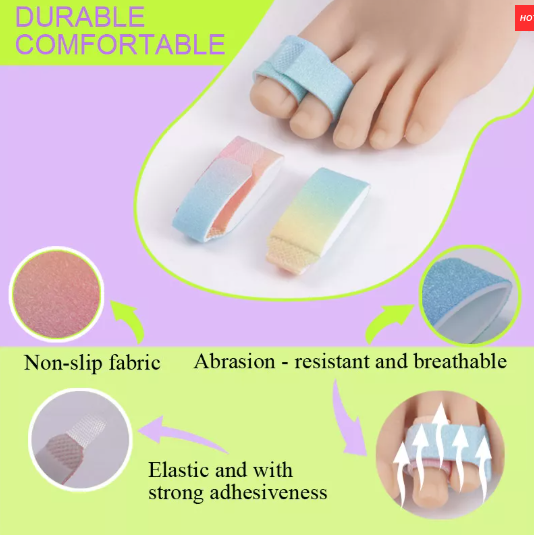
Many bunions hurt because shoes press on the joint and rub the bump. A Bunion Corrector helps by shifting pressure, reducing friction on the skin, and improving how the foot sits inside the shoe. For many people, the biggest value is simple: it makes daily walking and standing feel smoother, especially during long workdays or high-step routines.
The benefit comes from straightforward mechanics. When rubbing drops, skin irritation often calms down. When pressure spreads out, the joint usually feels less “hot” after activity. That’s why comfort gains can be noticeable, and why many people keep using a Bunion Corrector as a practical, non-invasive support for everyday life.
You can make the improvement easy to see by tracking a few signals after normal activity. This keeps the decision objective and helps you pick the best style for your routine.
| Metric | How to measure | When to record | Why it matters |
|---|---|---|---|
| Pain score (0–10) | Rate pain after walking | After work / after a walk | Shows real-life relief |
| Minutes to discomfort | Time until pain starts | During normal activity | Captures endurance change |
| Redness size | Compare redness area visually | After shoe removal | Reflects friction control |
| Flare-up days per week | Count painful days | Weekly total | Tracks long-term trend |
Most people use a Bunion Corrector for comfort and daily function. Over time, many notice fewer hot spots, less shoe rubbing, and easier tolerance of normal walking. Some people also feel the toe sits in a more supported, more comfortable position—especially with spacers and gentle night positioning.
The key is matching the device to your routine. A slim daytime style helps inside shoes, while a soft night option can support a calm, consistent routine. When you focus on comfort goals and consistent use, the results tend to feel more predictable and easier to maintain.
Bunion correctors tend to shine when symptoms are driven by shoe pressure and toe crowding. Early or mild hallux valgus is often more flexible, so toe spacers and pads can noticeably improve comfort—especially in wide toe-box shoes. In real life, this is where people feel the biggest return: less rubbing, fewer flare-ups, and easier walking at the end of the day.
Small habit upgrades can amplify the device’s value. A wider shoe reduces daily irritation, a pad protects the bump quickly, and a spacer reduces toe-on-toe friction. Used together, they often deliver a more consistent comfort boost than relying on one tool alone.
A Bunion Corrector works best when it feels supportive, not forceful. If a device feels too tight or creates new pressure points, the fix is usually simple: adjust tension, switch to a softer material, or choose a slimmer style that fits your shoes better. Most “bad experiences” come from fit mismatch, and a better-fitting option often solves the problem quickly.
A helpful rule is this: your comfort should improve over time. If it doesn’t, choose a different style rather than trying to “power through” discomfort.
For safe use, stop if you feel numbness or tingling, see unusual color changes, feel sharp or burning pain, or notice skin breakdown. These are fit signals that the device is too tight or placed poorly, and switching to a softer spacer or thinner pad often fixes the issue.
Use this quick self-check: it should feel gentle, toes should stay warm, and color should look normal. If not, stop and reassess.
A Bunion Corrector delivers value through three practical advantages: it creates space between toes, cushions the bump to reduce shoe friction, and redistributes pressure away from the sore spot. This combination supports comfort during walking, standing, and long shifts, and it can reduce the “end-of-day burn” many people feel at the joint.
Many users notice fewer blisters, less redness after shoe removal, and better tolerance in everyday footwear. That’s a meaningful win because it reduces constant shoe switching and makes routines more predictable.
It helps to set expectations clearly: a Bunion Corrector is designed for comfort, protection, and support. Think of it as a practical tool to reduce friction and improve shoe fit, so you can stay active with less irritation.
If you need a full clinical plan, a clinician can guide options based on your symptoms and goals. For most readers, though, focusing on comfort and daily function is the fastest, most useful path.
Daytime devices must fit inside shoes, so they usually focus on padding and slim spacing. Night splints are often bulkier and stiffer because they aim for gentle positioning during rest.
Night splints can feel strange at first, so start with short sessions and increase slowly. If sleep suffers, daytime padding is often the better choice. Many people do best with two different devices—one for shoes during the day and one for positioning at night—because this approach improves adherence and keeps the routine comfortable.
Toe spacers reduce overlap and toe-on-toe rubbing, which makes them a strong choice when crowding is the main issue. Soft gel spacers feel gentle for beginners, while firmer silicone holds shape better for longer sessions. Loop designs help keep the spacer stable during walking, which many users prefer for daily wear.
Spacers also vary in thickness. Thin spacers fit more shoes, while thicker spacers create more separation; however, thicker is not always better. Comfort and shoe fit should decide the right option.
Splints and braces guide the big toe into a more neutral position during rest. Many people like them for nighttime routines because they offer structured support without needing to fit in a shoe. Soft designs usually feel more sleep-friendly, and adjustable straps help you fine-tune tension so the experience stays gentle.
Pads and sleeves are the fastest comfort upgrade for bump friction in shoes. They protect the bunion area from seams and pressure, which is why they’re often the easiest first step. Thin pads fit dress shoes better, while thicker pads work well in sneakers. Keeping the area clean and dry improves comfort during longer wear.
| Device type | Best for | Typical use time | Main advantage | Comfort tip |
|---|---|---|---|---|
| Toe spacer | Toe crowding, friction | Short sessions, day or home | Creates space, reduces rubbing | Use wide toe-box shoes |
| Night splint | Gentle positioning | Night, 2–8 hours | Stable support at rest | Start short, increase slowly |
| Gel pad/sleeve | Bump rubbing | Daytime in shoes | Cushions and protects hot spots | Pair with soft uppers |
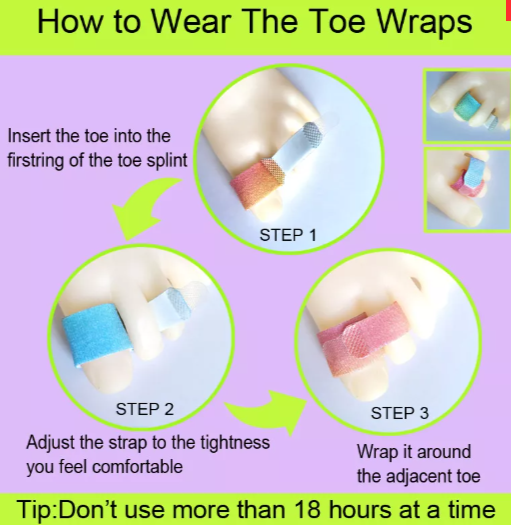
Start with your main goal: reduce bump rubbing, reduce toe crowding, or improve morning comfort. This makes selection simple and improves results. Pads are ideal for shoe friction, spacers are ideal for crowding, and soft night splints are ideal for gentle positioning at rest. You can also combine a daytime pad with a nighttime soft splint if it stays comfortable and doesn’t add pressure.
| Your main goal | Best first pick | Why it helps | Quick note |
|---|---|---|---|
| Bump rubbing in shoes | Gel pad / sleeve | Cushions and reduces friction | Works best with soft uppers |
| Toe crowding / overlap | Toe spacer | Creates space, reduces rubbing | Needs a wide toe box |
| Morning comfort routine | Night splint (soft) | Gentle positioning at rest | Start short, don’t over-tighten |
| Long standing support | Pad + wide toe-box shoes | Reduces pressure during load | Shoes amplify results |
| Simple first step | Slim pad | Easy comfort upgrade | Great for daily wear |
Fit is the key to comfort. Adjustable straps help different foot shapes, and slim designs fit shoes better for daytime use. Socks can reduce friction under straps, and checking edges near the bunion helps prevent pressure marks. Always test the device in your most-used shoe for a short walk at home, because a good fit should feel supportive right away.
For many people, the main goal is comfortable daily function, and a Bunion Corrector can support that goal well. If symptoms limit walking distance or make most shoes painful, combining a corrector with shoe upgrades often delivers more value than relying on one tool alone. If pain persists despite consistent comfort-focused steps, a clinician can help you choose the most efficient next move.
A Bunion Corrector can ease rubbing and daily pain, but it rarely keeps the toe straight long term. Use it with wide toe-box shoes and simple habits, then track results for two to four weeks, and seek care early if function drops. Start with pads or spacers for comfort, use gentle tension at night if needed, and get clinical guidance for lasting correction.
Suzhou Kingstone Garments Co., Ltd offers practical bunion corrector options that focus on comfort, better shoe fit, and reliable daily support through thoughtful materials and service.
A: A Bunion Corrector can ease pain, not permanent alignment.
A: Wear a Bunion Corrector 15–30 minutes, then increase.
A: Night splints position; toe spacers cut rubbing in shoes.
A: A Bunion Corrector is too tight—stop and refit.
A: Wide toe-box shoes and orthotics often help more.


