
English 
T: +86-18251114333
E: kingleo_sz@126.com
E: kingleo_sz@126.com
3rd Floor, Building 2, No. 338 Jiangzhuang Road, Guoxiang Street, Wuzhong District, Suzhou City
Views: 0 Author: Site Editor Publish Time: 2026-01-26 Origin: Site


Bunions can cause significant discomfort and difficulty walking, especially in tight shoes. Many people look for non-invasive solutions, and bunion correctors are a popular option.
But how long should you actually wear a bunion corrector to see results? In this article, we’ll dive into the ideal wear times, the different types of bunion correctors, and what you can expect from using them consistently.
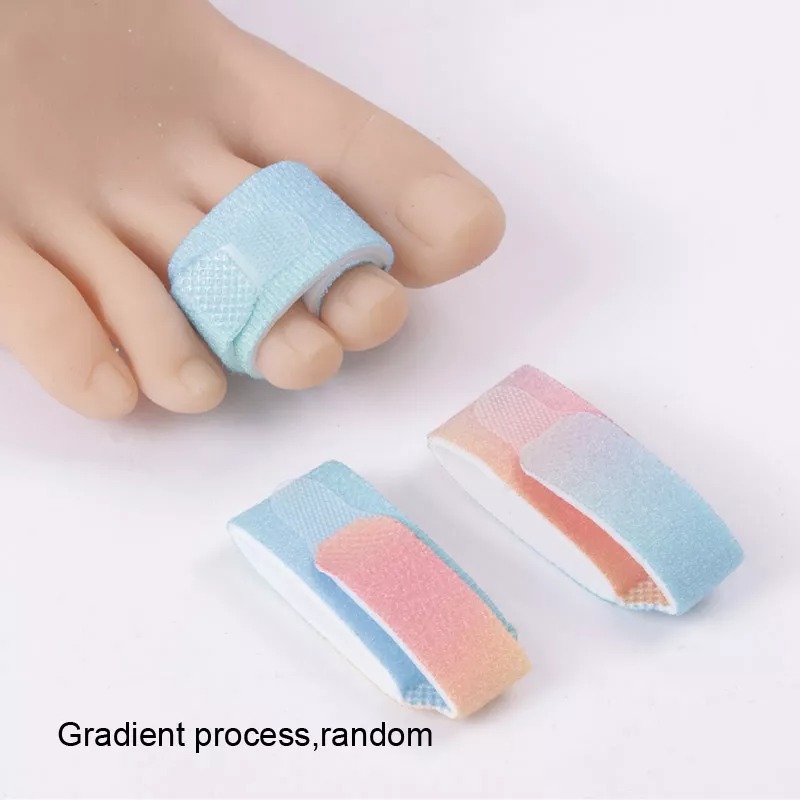
A bunion corrector is an orthopedic device designed to realign the big toe and reduce the pain and swelling caused by bunions. These devices apply gentle, targeted pressure to the affected toe, encouraging it to return to a more natural position. While bunion correctors cannot permanently fix the bone structure or completely eliminate the bunion, they help alleviate symptoms, slow down the condition’s progression, and improve the toe's alignment.
There are various types of bunion correctors available on the market, and each one is suited for different needs:
| Type of Bunion Corrector | When to Use | Key Benefits |
|---|---|---|
| Night Splints | Worn during sleep (6-8 hours) | Gently realigns the big toe, provides long-term benefits |
| Day Braces | Worn during the day (2-3 hours) | Mild correction, pain relief, and comfort during activities |
| Toe Spacers | Worn intermittently during the day | Reduces friction, prevents overlapping toes, provides comfort |
Each type serves a distinct purpose and can be integrated into your daily routine depending on your specific condition and lifestyle.
Bunion correctors work by applying consistent, gentle pressure to the affected toe. This pressure encourages the bones and soft tissues around the joint to realign, which gradually reduces the angle of deviation. The device acts as a stabilizing brace, offering support to the joint while reducing friction between the bunion and shoes, thus alleviating pain. The corrector essentially helps protect the bunion from further irritation while promoting alignment over time.
Comparison with Surgery: While bunion correctors can provide significant relief and improve alignment, they are not a substitute for surgery. Surgery remains the only permanent solution for severe bunions, but bunion correctors can help slow the progression of the condition, provide relief from pain, and reduce the chances of further deterioration.
The recommended wear time for a bunion corrector varies depending on the type and the specific needs of the user. However, general guidelines for wear time include:
| Type of Bunion Corrector | Recommended Wear Time | Duration per Day |
|---|---|---|
| Night Splints | Worn overnight | 6-8 hours |
| Day Braces | Worn during rest periods | 2-3 hours |
| Toe Spacers | Worn intermittently | 1-2 hours |
Consistency is the key to achieving positive results. Although you may feel immediate relief, the full benefits of bunion correction take time, and wearing the corrector regularly is crucial for seeing long-term improvements.
There are several factors that can influence how long you should wear a bunion corrector each day:
Severity of the Bunion: For those with mild bunions, shorter periods of wear may be effective, while severe cases require longer durations of use to see noticeable improvements.
Comfort and Lifestyle: Your lifestyle and comfort levels can impact the wear time. If you're active and spend much of your day on your feet, it might be more practical to wear a bunion corrector during rest periods or while sitting, rather than continuously throughout the day.
Type of Corrector: The type of bunion corrector also plays a significant role in wear time. Night splints typically require longer durations, while day braces or toe spacers may only need shorter, more intermittent use.
Night Splints:
Worn primarily at night for 6-8 hours to allow for gentle repositioning of the toe while sleeping.
Night splints are recommended for people with moderate to severe bunions, where nighttime realignment is needed to prevent further damage.
Day Braces:
Ideal for daytime use when performing lighter activities or resting.
Typically, 2-3 hours per day is enough for mild correction. You can progressively increase the wear time as your tolerance builds.
Toe Spacers:
Worn intermittently throughout the day to reduce friction and prevent the toes from overlapping.
Can be worn for 1-2 hours at a time, especially when sitting, relaxing, or before bed.
| Effect | Short-term (0-6 weeks) | Long-term (3-6 months) |
|---|---|---|
| Pain Relief | Noticeable relief from pressure and discomfort | Continued pain relief during daily activities |
| Toe Alignment | Minimal changes in toe alignment | Gradual improvement in toe position and alignment |
| Overall Comfort | Improved comfort in shoes and when walking/standing | Long-term comfort, better alignment, and reduced friction |
During the first few weeks of wearing a bunion corrector, you may notice significant relief from pain, particularly when wearing tight shoes. The corrector helps reduce friction between the bunion and the shoe, creating a more comfortable environment for the foot. You may also experience less pressure around the joint, which can alleviate some of the discomfort associated with bunions.
While bunion correctors cannot immediately straighten the toe, they can offer relief and make walking and standing more comfortable. This is particularly noticeable when wearing the correctors during rest periods such as at night or while relaxing during the day.
Consistency is the key to long-term benefits. Over several months of regular use, you may begin to notice an improvement in the angle of your big toe. However, it is important to understand that bunion correctors do not cure the condition permanently—they help manage and alleviate symptoms. The results are gradual, and patience is necessary for noticeable changes.
Alignment: After consistent use over a few months, you may see small shifts in the toe’s position, leading to improved alignment.
Pain Management: Continued use of the corrector can significantly reduce pain, especially in the joint area. With regular use, you may experience less discomfort during everyday activities, such as walking, standing, and wearing shoes.
The structural changes in the bones take time, so significant improvement requires persistence and regular use of the corrector.
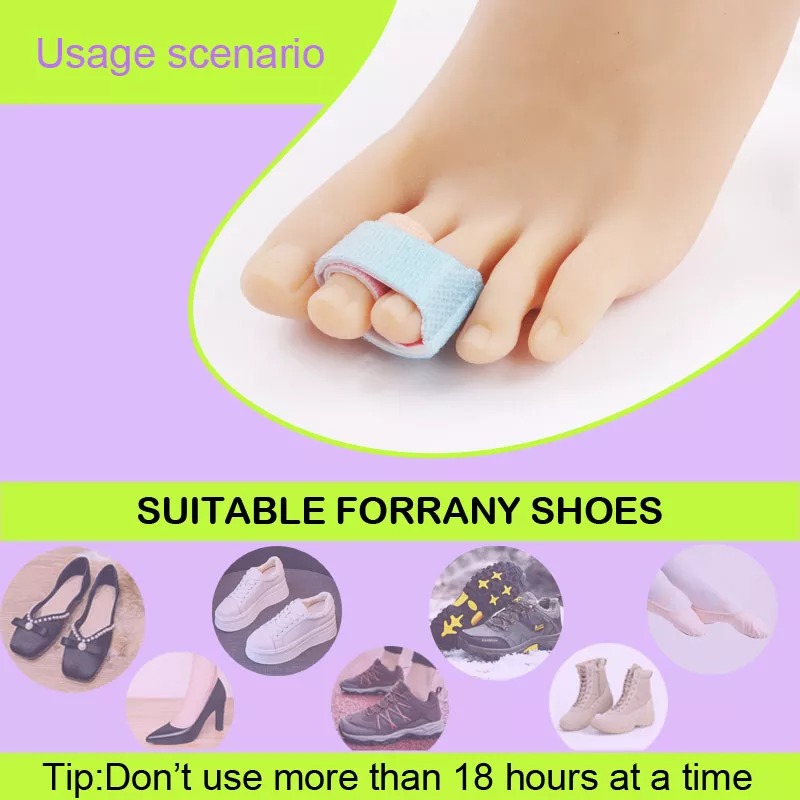
While it’s essential to wear the bunion corrector consistently, overuse can lead to discomfort. For example, wearing a night splint for longer than recommended or using a day brace for extended periods can cause skin irritation or joint soreness. Moreover, improper application of the device may exacerbate the condition or fail to provide the intended benefits.
Tip: Always follow the manufacturer's instructions regarding wear time and seek advice from your podiatrist if you experience discomfort. Correct application ensures optimal results without adverse effects.
If you're not seeing the expected results after consistent use, or if your bunion continues to cause significant pain, it may be time to seek professional advice. Bunion correctors are most effective when used in the early stages of the condition. If your bunion is severe or has progressed significantly, surgical intervention may be necessary.
If you experience new pain, discomfort, or irritation after using a bunion corrector, consider consulting a podiatrist for a thorough evaluation and potential adjustments to your treatment plan.
In summary, bunion correctors are an effective, non-invasive solution for managing bunions, particularly in the early to moderate stages. To achieve the best results, consistency is crucial—wear night splints for 6-8 hours and day braces for 2-3 hours. Patience is required, as realignment takes time, and improvements are gradual. If discomfort persists, consulting a podiatrist for further guidance is recommended.
Bunion correctors help alleviate pain, slow progression, and manage symptoms. However, consistent use is key for optimal results.
Suzhou Kingstone Garments Co., Ltd offers high-quality bunion correctors that provide comfort and support to those dealing with bunions. Their products are designed to realign the toe and relieve pressure, delivering lasting value for users looking for effective, non-surgical solutions.
A: It’s recommended to wear a bunion corrector consistently for 6-8 hours at night and 2-3 hours during the day. For best results, be patient and follow the recommended schedule.
A: Consistency helps realign the big toe over time. Wearing the bunion corrector regularly provides relief and can slow the progression of bunions.
A: Some bunion correctors are designed for sports. They provide support and reduce discomfort during activities. Check if your device is suitable for active use.
A: A bunion corrector reduces pressure on the bunion and helps realign the big toe, providing pain relief and preventing further irritation.
A: The results vary, but most people notice pain relief within a few weeks. Realignment may take a few months, so patience is essential for long-term benefits.
A: A bunion corrector helps manage symptoms and slow progression but does not permanently correct the condition. Surgery is the only permanent solution for severe bunions.


