
English 
T: +86-18251114333
E: kingleo_sz@126.com
E: kingleo_sz@126.com
3rd Floor, Building 2, No. 338 Jiangzhuang Road, Guoxiang Street, Wuzhong District, Suzhou City
Views: 0 Author: Site Editor Publish Time: 2026-01-19 Origin: Site


Bunions affect millions, causing pain and discomfort. But do podiatrists recommend using a bunion corrector?
In this article, we’ll answer this question, explore how bunion correctors work, and examine their effectiveness. You’ll also learn about the benefits they offer for managing bunions, especially in the early stages.
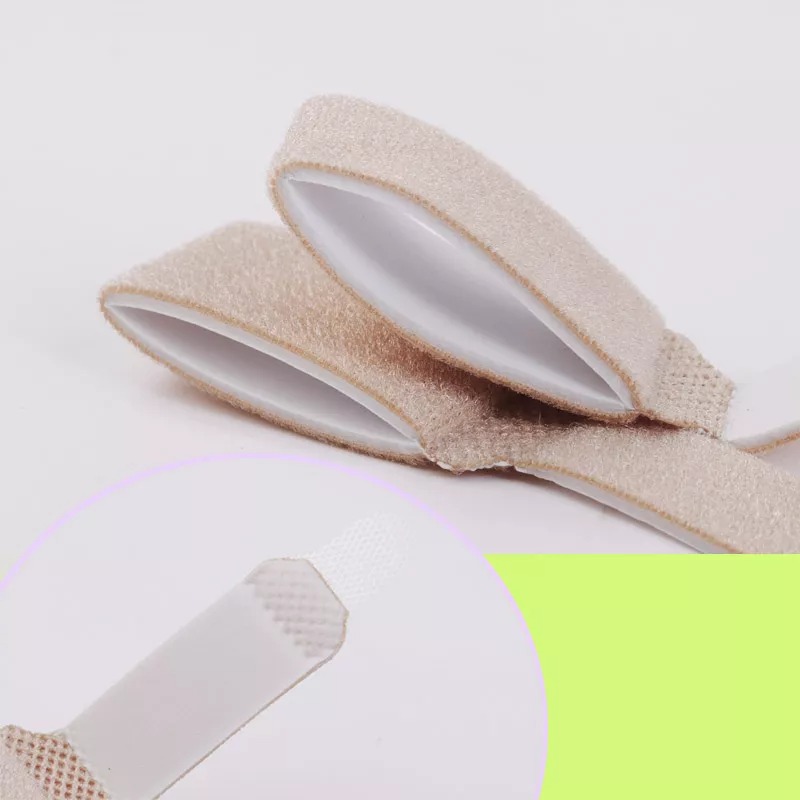
A bunion corrector is an orthotic device designed to realign the big toe and reduce the discomfort caused by bunions. These devices usually consist of straps, padding, or splints that gently apply pressure to the affected area, pulling the big toe back into alignment with the rest of the foot. Although bunion correctors are not a permanent solution, they are effective at providing temporary relief, reducing swelling, and preventing the condition from worsening.
Bunion correctors are typically worn during rest periods, such as at night while sleeping or when sitting, allowing the foot to relax and heal. They are not a substitute for surgery but can help manage the symptoms, especially in the early stages of bunion development.
Bunion correctors work by applying gentle, continuous pressure on the big toe to gradually straighten it over time. Similar to the way braces work to straighten teeth, bunion correctors aim to realign the toe to its natural position without the need for invasive procedures. These devices typically provide mild to moderate pressure, which helps reduce pain and inflammation, especially in the early stages of bunion formation.
However, it is important to understand that bunion correctors do not offer a permanent fix for bunions. They provide relief by temporarily correcting the alignment of the big toe, but they do not eliminate the bony protrusion caused by the condition. In cases where the bunion is severe, more invasive treatment options may be necessary.
There are several types of bunion correctors available on the market, each designed to cater to different needs and preferences:
Soft Gel Splints: These splints are designed for comfort and durability. Made from flexible gel materials, they reduce swelling and promote healing by cushioning the affected area. Soft gel splints are typically worn during rest periods and are especially beneficial for individuals with mild bunions.
Rigid Plastic Splints: These splints provide more substantial support, particularly around the metatarsophalangeal (MTP) joint, where the bunion forms. Rigid plastic splints are useful for slowing the progression of the bunion by applying targeted pressure. Many models feature a hinge mechanism to ensure a more customized fit for the foot.
Toe Spacers: Toe spacers are simple devices that fit between the big toe and the second toe, preventing further drift. They alleviate pressure and reduce the risk of callus formation that occurs when the big toe rubs against the second toe. While they don’t provide as much support as splints, toe spacers can still help reduce discomfort and slow down the progression of bunions.
| Type of Bunion Corrector | Material | Support Level | Key Benefits | Best For |
|---|---|---|---|---|
| Soft Gel Splints | Gel | Moderate | Reduces swelling, promotes healing | Mild cases, comfort during rest |
| Rigid Plastic Splints | Plastic | High | Provides support, slows progression | Moderate to severe cases |
| Toe Spacers | Rubber | Low | Prevents toe drift, reduces pressure | Mild cases, preventing callus formation |
| Treatment Option | Effectiveness | Pain Relief | Cost | Ease of Use | Best For |
|---|---|---|---|---|---|
| Bunion Correctors | Moderate | Moderate | Low | Easy | Mild to moderate bunions |
| Surgery | High | Low | High | Difficult | Severe cases, advanced bunions |
| Custom Orthotics | High | High | Moderate | Moderate | Chronic foot pain, prevention |
Yes, podiatrists do recommend bunion correctors, especially for patients dealing with mild to moderate bunions. While they do not provide a permanent solution, bunion correctors are effective in helping to alleviate pain, reduce swelling, and prevent the condition from worsening. Many podiatrists suggest using these devices as part of a broader treatment plan, which may also include orthotics, proper footwear, and pain management techniques.
For patients with mild bunions, bunion correctors offer significant relief by reducing discomfort during daily activities and helping the toe realign in a more natural position. In the early stages of bunion development, when the joint has not become severely damaged, bunion correctors can provide a non-invasive alternative to surgery and help manage symptoms effectively.
Bunion correctors are most effective when used early in the progression of the bunion. During this phase, the joint is still flexible, and the bones are not yet significantly deformed, making them more responsive to gentle pressure. By using a bunion corrector at this stage, patients can prevent the condition from worsening and reduce the strain on the affected joint.
In addition to preventing further misalignment, bunion correctors can help relieve pain and reduce inflammation, making it easier for patients to perform their daily activities without discomfort. Podiatrists often recommend bunion correctors for patients who are not yet ready for surgery but need relief from mild to moderate symptoms.
| Bunion Stage | Effectiveness of Bunion Correctors | Recommended Action |
|---|---|---|
| Early Stage | High | Use bunion correctors to manage pain and prevent progression |
| Moderate Stage | Moderate | Continue using bunion correctors; consider custom orthotics |
| Severe Stage | Low | Bunion correctors offer minimal relief; surgery may be necessary |
In more severe cases of bunions, where the joint is significantly damaged or arthritis has set in, bunion correctors may not provide the same level of relief. In these situations, podiatrists may recommend additional treatments, including surgery, to address the underlying issues more effectively. Bunion correctors can still be used to alleviate pain and prevent further damage, but they should not be seen as a cure for advanced bunions.
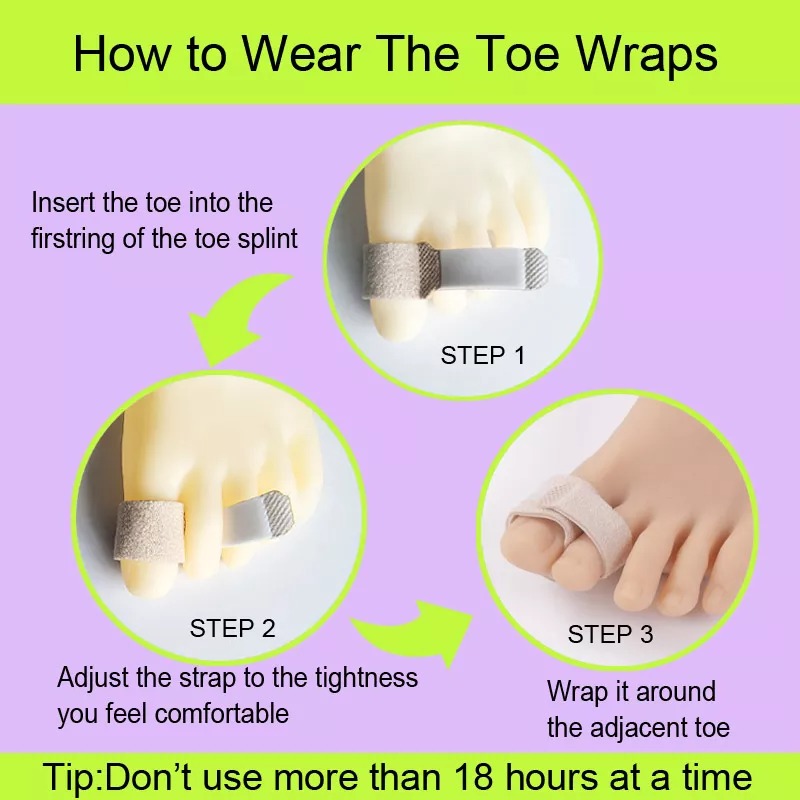
One of the primary benefits of using a bunion corrector is pain relief. By reducing pressure on the bunion, these devices help make walking, standing, and other daily activities more comfortable. Bunion correctors can relieve discomfort caused by the bony bump and misalignment, allowing patients to go about their day with less pain.
By applying gentle pressure and realigning the big toe, bunion correctors help reduce the tension in the joints and soft tissues, providing much-needed relief. They are especially beneficial for those who experience pain while walking or standing for long periods.
Another significant benefit of bunion correctors is their ability to slow the progression of bunions. By gently realigning the big toe and reducing pressure on the affected joint, bunion correctors help prevent the condition from getting worse. This can delay the need for more invasive treatments, such as surgery.
For patients with mild to moderate bunions, using a bunion corrector regularly can help manage symptoms and prevent further displacement of the big toe, ultimately reducing the risk of joint damage over time.
Bunion correctors help improve overall foot alignment by gently straightening the big toe. This realignment reduces strain on other parts of the foot, which can help prevent discomfort and other foot problems. Over time, this improved alignment can alleviate pressure on the joints, tendons, and ligaments, leading to better overall foot function and comfort.
By improving foot alignment, bunion correctors also help reduce strain on the knees, hips, and lower back, which can enhance mobility and overall quality of life.
While bunion correctors can provide temporary relief from pain and help prevent the progression of bunions, the long-term effectiveness of these devices is still uncertain. A 2020 study found that bunion splints were effective in reducing pain during activities such as walking and running. However, the study did not show significant improvements in alignment over time.
Though bunion correctors may help manage the symptoms of bunions in the short term, more research is needed to determine how effective they are in the long term. Further studies should explore whether these devices can halt the progression of bunions or provide lasting improvements in foot alignment.
Although more research is required, several studies suggest that bunion correctors can help alleviate pain and discomfort associated with bunions. For instance, patients who used bunion correctors reported less pain during walking, running, and while at rest. These results indicate that bunion correctors can provide substantial relief for those suffering from mild to moderate bunions.
Before using a bunion corrector, it is essential to consult a podiatrist to ensure that it is the right treatment for your specific condition. A podiatrist can assess the severity of your bunion and recommend the most appropriate treatment options, whether that’s a bunion corrector, custom orthotics, or other therapies. Consulting with a podiatrist ensures that you are choosing the most effective and suitable approach for managing your bunion.
Regular check-ups with a podiatrist are crucial to track the progression of your bunion and determine whether the bunion corrector is providing adequate relief. Depending on the results, your podiatrist may adjust your treatment plan, recommending changes to the type of bunion corrector or introducing other interventions to manage your symptoms effectively.
Podiatrists recommend bunion correctors for managing mild to moderate bunions. These devices provide temporary pain relief and help prevent further progression. Although they aren't a cure, bunion correctors offer an effective way to manage symptoms and avoid surgery. If you are considering a bunion corrector, consulting a podiatrist ensures it’s the best fit for your needs.
Suzhou Kingstone Garments Co., Ltd provides quality bunion correctors that help alleviate discomfort and prevent bunion progression. Their products offer great value for those seeking non-invasive solutions for foot care.
A: Yes, podiatrists recommend bunion correctors for managing mild to moderate bunions. They provide pain relief and help prevent further progression.
A: Bunion correctors apply gentle pressure to realign the big toe, offering temporary relief and preventing further misalignment.
A: It’s best to use a bunion corrector in the early stages of bunion development, as it can slow progression and alleviate discomfort.
A: No, bunion correctors cannot cure bunions. They help manage symptoms, relieve pain, and prevent further worsening.
A: Bunion correctors provide pain relief, improve foot alignment, and can slow the progression of bunions, avoiding the need for surgery.
A: The cost of a bunion corrector varies, typically ranging from $20 to $50, depending on the type and brand.


