
English 
T: +86-18251114333
E: kingleo_sz@126.com
E: kingleo_sz@126.com
3rd Floor, Building 2, No. 338 Jiangzhuang Road, Guoxiang Street, Wuzhong District, Suzhou City
Views: 0 Author: Site Editor Publish Time: 2026-01-12 Origin: Site


Can a bunion look straighter without surgery? Many people want less shoe pressure, easier walking, and a simple plan they can follow at home. A well-fit Bunion Corrector can help by guiding toe position and improving day-to-day comfort. In this article, you’ll learn how it works, how to choose the right type, and how to wear it comfortably with the right shoes and a short routine.
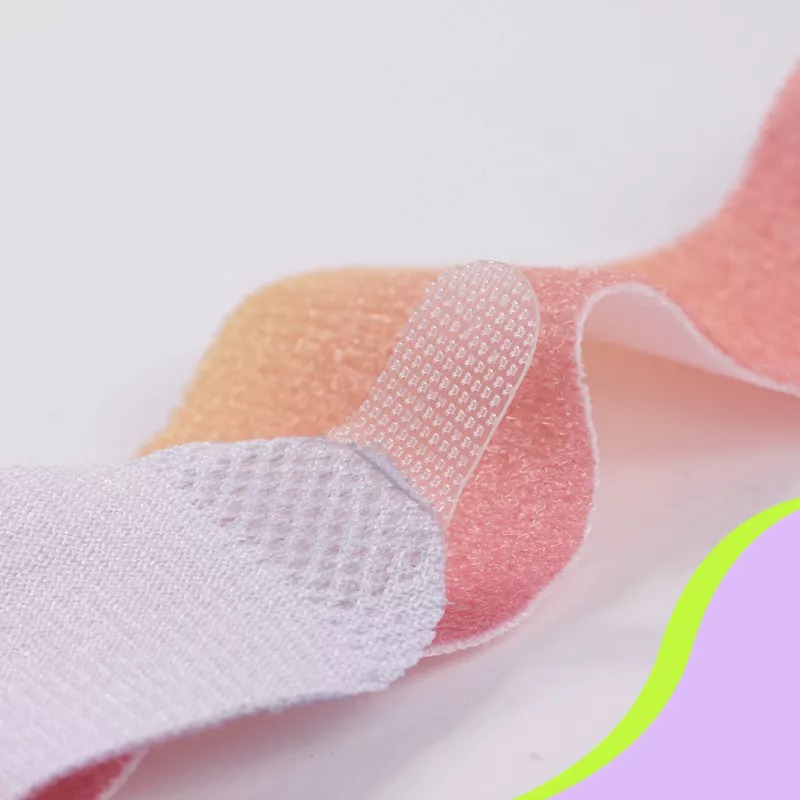
A bunion area usually feels worse for two reasons: pressure from shoes and friction on skin. Conservative care guidance often highlights wide shoes, pads, toe spacers, and splints because they target those daily triggers directly. A Bunion Corrector is popular because it packages several of these ideas into one simple routine, and it lets you “steer” the toe in a more comfortable direction during the hours when irritation usually builds. In practice, the goal is consistent support that feels natural enough to repeat.
A Bunion Corrector applies gentle outward guidance to the big toe. During wear, it helps the toe sit in a straighter-looking line and feel more supported. Many users notice the difference immediately because the toe feels less “pulled inward” and the front of the foot feels more organized. This also helps you stay aware of toe posture, especially if your shoes tend to squeeze the forefoot. A good corrector should feel steady rather than forceful, and adjustable tension makes it easier to find the “right” level of support.
A major comfort gain comes from reducing direct pressure on the bump. Many bunion plans recommend wider shoes and protective cushioning to reduce pressure at the big toe joint. A corrector that includes padding, or pairs well with bunion pads, can make shoes feel less aggressive during long standing days. This matters most when the bump is the first thing that touches the shoe upper, because even mild contact can build into irritation over hours. Pressure relief also helps you stay more active, since discomfort often limits walking time before anything else does.
Rubbing can drive redness, blisters, and callus pain. This is where add-ons shine. A toe spacer for bunions can reduce toe-to-toe rubbing, while a gel sleeve or bunion guard adds a smooth layer between the bump and the shoe. These tools often feel “small” but deliver big day-to-day relief. They also help you stay consistent with wear time because skin irritation is one of the most common reasons people stop using a device too soon. If your main complaint is hot spots or “shoe bite,” friction control is often the fastest win.
The big toe plays a key role in push-off. When the toe is guided into a better position during wear, walking can feel smoother and less guarded. This is why a slim Bunion Corrector for walking is useful for commuting, shift work, and errands—especially when paired with roomy shoes. Some people describe the benefit as a “cleaner step” because the toe feels more aligned when the foot rolls forward. The practical takeaway is simple: if you can walk more comfortably, you can keep your routine without constantly thinking about the joint.
A corrector can train habits fast. Tight, pointy shoes become uncomfortable right away, while toe-room shoes feel better and more stable. That feedback loop helps you stick to the shoe and spacing choices that keep the front of the foot calmer. Over time, many people get better at spotting “problem shoes” before they buy them, which can prevent repeated flare-ups. Even small habit shifts, like choosing wider toe boxes for daily wear, can make corrector use more comfortable and more consistent.
A Bunion Corrector is easy to repeat. You can use it at home, at a desk, or at night. You can also scale support up or down depending on the day. That flexibility makes it easier to stay consistent, which is often the real driver of better weekly outcomes. It also makes it easy to run your own “mini test”: wear it during the hours you usually feel discomfort, then compare how you feel with and without it. For many people, that simple comparison is what builds confidence in the routine.
The best device is the one you will actually wear. Start by matching your corrector to your schedule and shoe situation. If you’re on your feet all day, a slim daytime brace matters. If your day is packed and your shoes vary, a night option can be easier to keep consistent. It’s also normal to use more than one format, such as a daytime brace for movement and a spacer or pad for friction days.
A daytime brace is ideal when you need support during movement. Prioritize a low-profile design that sits smoothly under socks and does not create bulky pressure inside the shoe. If you want a Bunion Corrector for shoes, the shoe must have toe room, or the device will feel cramped quickly. In real use, the best daytime brace feels stable during walking and stays comfortable during sitting, because many people switch between both all day.
What to prioritize for daytime use:
Slim profile and smooth edges
Stable straps that do not slip
Breathable fabric for heat control
Padding that feels protective, not bulky
A night bunion splint is more structured and works during rest. Many people like it because it does not depend on shoe fit. It fits well into a fixed routine like reading, TV time, or sleep. If you prefer predictable habits, nighttime wear can feel easier because you can link it to the same time each evening. Comfort still matters, so look for soft contact points and easy adjustments that don’t wake you up.
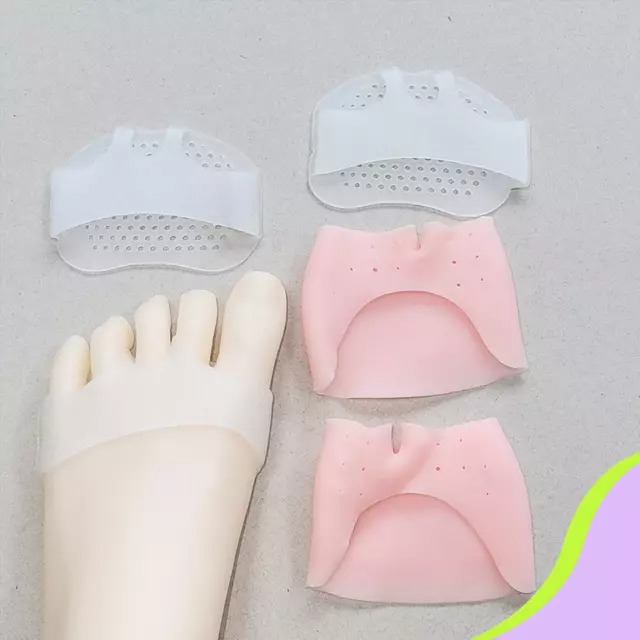
These are the highest-value add-ons for comfort and consistency. A toe spacer for bunions helps separate crowded toes and reduce rubbing. A bunion pad or guard cushions the bump from shoe pressure. A gel sleeve helps reduce shear and hot spots during long wear. These tools are also useful when you need a lighter option, such as travel days or office days where you want a minimal setup.
Quick comparison:
| Option | Best time to use | Best for | Fit tip |
|---|---|---|---|
| Daytime Bunion Corrector brace | Work, errands, walking | In-shoe alignment support + pressure relief | Needs a wide toe box |
| Night bunion splint | Evenings, sleep | Stronger positioning during rest | Comfort-first straps |
| Toe spacer for bunions | Home or roomy shoes | Toe rubbing and overlap discomfort | Start soft, then scale |
| Bunion pad/guard or gel sleeve | Any time | Friction and bump pressure | Short test wear first |
Tip: If you sell kits, a “day brace + spacer + guard” bundle reduces wrong purchases.
Fit decides everything. Your goal is “secure and comfortable,” not “tight and forced.” A device that feels harsh will not get worn consistently. A device that feels stable and calm is much more likely to become part of your day. Think of fit as a dial you tune, not a one-time setup you never revisit.
Use this setup in under two minutes:
Center any cushion directly over the bunion bump.
Place the toe loop straight, not twisted.
Tighten straps until snug, then ease off if you feel pinching.
Stand and take 10 slow steps.
Re-check edges for rubbing or sharp pressure.
A simple comfort check helps: you should feel supported, but you should still have normal toe warmth and normal sensation. If the corrector makes the toe feel cold, numb, or “tingly,” it is too tight or poorly positioned. If it slides after a few steps, the straps are usually too loose or the sock fabric is too slippery.
A simple ramp helps most people stay consistent:
Days 1–3: 15–30 minutes per day
Days 4–7: 45–90 minutes per day
Week 2: 1–3 hours per day as tolerated
For a night bunion splint, start at 30–60 minutes before sleep, then extend gradually as comfort improves. The key is to increase wear time only when skin stays calm. If you notice irritation, keep the same wear time for a few days and adjust fit before adding more time.
Try these quick fixes before you quit:
Slipping: change sock fabric or tighten the midfoot strap slightly.
Pressure point: shift pad placement or add a thin bunion guard.
Heat and sweat: choose breathable materials and wash regularly.
Redness: shorten wear time and adjust edge contact.
Note: If you feel numbness, burning, or sharp pain, stop and re-check fit.
Shoes can either reinforce what your corrector is doing or cancel it out. The most important factor is toe room, because your forefoot needs space to settle into a more comfortable position instead of being squeezed back inward. A wide toe box reduces compression across the big toe joint, lowers rubbing on the bunion bump, and makes a Bunion Corrector for shoes feel stable rather than crowded. If the shoe upper is stiff or narrow, it can press the corrector inward and create a “tug-of-war” feeling, so the device may still fit, but comfort drops and you’ll want to take it off sooner.
Choose shoes with a wide and deep toe box so your toes can lie flat rather than stacking or pressing into each other. You want space not only in width, but also in height, because shallow toe boxes often rub the top of the big toe or the bunion area even when the shoe is technically “wide.” Pay attention to the area around the bump: if the upper touches the bunion at rest, that contact usually gets worse once you start walking and the foot spreads under load. If the corrector feels “pushed inward,” it’s a sign the shoe is narrowing the front of your foot and making the device work harder than it should. In most cases, slightly wider shoes produce better real-world comfort than trying to “make it work” in tight footwear.
Fast shoe test:
Stand and press the big toe downward. If it hits the upper quickly, the toe box is too shallow.
Walk 10 steps. If you feel rubbing on the bump, the shoe is too narrow.
Heel height matters because it changes where your body weight lands. Higher heels shift load toward the forefoot, which increases pressure at the big toe joint and makes the bunion area more sensitive over time. Lower heels usually feel calmer because they spread load more evenly and reduce the “front-foot overload” that can flare irritation. Sole stability also matters: a stable heel base reduces wobble, and a smoother rollover under the forefoot can make each step feel less sharp. If you stand for hours, small features add up—moderate cushioning, a flexible toe box, and a stable base can help the corrector feel like support instead of extra friction.
Socks affect how the corrector behaves inside the shoe. Smooth socks with flat seams reduce edge rubbing, especially around the bunion pad area. If you still feel friction, a thin bunion pad or gel guard can create a low-friction surface between the shoe upper and the bump, which often improves comfort faster than tightening straps. If your shoe has stiff uppers, consider softer materials or wider sizing, because a rigid upper tends to rub in the same spot every step. If you use a spacer, make sure the shoe still has enough toe room; otherwise the spacer can feel cramped and push toes together again, which defeats the purpose of spacing.
A corrector guides position during wear, but the foot still needs control to make that position feel natural in daily movement. A short routine helps because it supports toe mobility, foot stability, and load tolerance, which are the three things that often limit comfort when you’re on your feet. Keep the routine simple so you can repeat it consistently; the best plan is the one that fits into your day without requiring perfect conditions. Doing these exercises after you remove the device is often easiest, because you can feel the toe move freely and you can spot tight areas quickly.
Sit and stabilize your foot with one hand so the motion stays in the big toe rather than the whole foot twisting. Move the big toe up and down slowly, then slightly outward away from the second toe, using a small, controlled range. The goal is smooth motion and better awareness, not forcing the toe to go farther than it wants to. If the toe feels stiff, smaller movements repeated daily usually improve comfort more reliably than one aggressive stretch session. Keep it gentle, and stop before sharp pain; you want the toe to feel “looser,” not irritated.
Stand barefoot and keep toes long and relaxed, because curling the toes often shifts work to the wrong muscles. Lightly “shorten” the foot by drawing the ball of the foot toward the heel, aiming to lift the arch slightly without gripping. Hold for about five seconds, then relax fully, repeating 8–10 times. This drill helps the small stabilizers under the arch do more of their job, which can make the forefoot feel steadier when you walk. Over time, better stability can make toe guidance from the corrector feel more natural, because the foot has a stronger base under the big toe joint.
Calf tightness can shift stress forward because the ankle may not move as smoothly during walking, and the forefoot ends up taking more load. Use a wall stretch with the heel down and the knee straight to target the calf, holding 20–30 seconds and repeating twice per side. Keep the stretch steady rather than bouncing, and focus on maintaining heel contact with the floor. If your forefoot often feels “loaded” or tired after standing, this simple stretch can support comfort by improving the way your ankle and foot share pressure during each step.
Tracking helps you make better adjustments and stay consistent. Keep it simple and repeatable. Instead of chasing perfect numbers, focus on trends that matter: less rubbing, longer walking time, and better shoe comfort during normal days.
Pick 4–5 markers:
Shoe comfort score (1–10)
Walking time before discomfort
Redness or rubbing spots
Toe-to-toe rubbing (yes/no)
Morning stiffness level
If you want one extra metric, track “hours in normal shoes without thinking about the bunion,” because that reflects real quality-of-life improvement.
Take two photos once a week using the same angle and lighting. Repeat a “same shoe, same walk” test for 10 minutes at the same pace. This gives you cleaner comparisons than random daily notes. If you keep a log, write a one-line summary after the walk, such as “less rubbing near the bump” or “felt stable for the full 10 minutes.”
If a problem repeats for two weeks, change one variable at a time: strap tension, pad placement, spacer softness, or switching your main wear window from daytime brace to night splint. Single changes make it easier to tell what helped. If the skin is calm but walking still feels limited, focus on shoe toe-room first, then revisit brace profile.
14-day starter plan:
| Days | What to do | What to watch |
|---|---|---|
| 1–3 | Wear corrector 15–30 min daily; use roomy shoes | Rubbing or sharp pressure |
| 4–7 | Wear 45–90 min daily; add pad/spacer if needed | Walking comfort and fit |
| 8–14 | Wear 1–3 hours as tolerated; add short routine | Shoe comfort and skin response |
A podiatrist or PT can help personalize fit, footwear, and load management. This is especially useful if you keep getting flare-ups or can’t find shoes that feel acceptable. Even a single visit can help confirm whether your device style, shoe type, and daily wear window match your foot mechanics and activity level.
Consider professional input if pain limits walking, flare-ups are frequent, skin breaks down, numbness appears, or you can’t find any shoe that feels tolerable. It can also be helpful if you’ve tried multiple correctors and none feel stable, because a fit check can identify simple issues like strap placement, toe loop sizing, or shoe conflict.
Orthotic inserts can spread pressure more evenly during movement. Toe spacers and splints can add support when shoes are off. These tools often pair well with a corrector when you want more consistent comfort across long days. If your work requires standing, an expert can also help you prioritize which add-on delivers the best “return” for your specific footwear and daily load.
You can improve toe alignment without surgery. A Bunion Corrector supports positioning, reduces rubbing, and eases shoe pressure when paired with roomy footwear. Choose a daytime brace or night splint, build wear time gradually, and track comfort weekly while adding simple mobility and strength work.Suzhou Kingstone Garments Co., Ltd offers bunion corrector solutions designed for comfortable daily wear, with supportive fit and skin-friendly materials that help users stay consistent and get better day-to-day value.
A: Yes, a Bunion Corrector can help straighten the toe by guiding its position, reducing rubbing, and easing pressure, providing a non-invasive option for improvement.
A: A Bunion Corrector works by applying gentle outward pressure to the big toe, helping align the joint and reduce the discomfort caused by the bunion.
A: A Bunion Corrector helps reduce toe misalignment, minimizes rubbing between toes, and eases pressure, leading to better comfort during walking and standing.
A: It’s recommended to start with 15–30 minutes a day and gradually increase wear time, adjusting based on comfort and your daily needs.
A: Yes, Bunion Correctors help alleviate bunion pain by redistributing pressure and reducing rubbing, making it easier to wear shoes comfortably.
A: The price of a Bunion Corrector varies depending on the type and brand, but it typically ranges from $15 to $50.


