
English 
T: +86-18251114333
E: kingleo_sz@126.com
E: kingleo_sz@126.com
3rd Floor, Building 2, No. 338 Jiangzhuang Road, Guoxiang Street, Wuzhong District, Suzhou City
Views: 0 Author: Site Editor Publish Time: 2026-06-12 Origin: Site


Navigating the oversaturated foot care market can feel overwhelming today. Exaggerated marketing claims often obscure actual clinical utility. You might wonder which products genuinely offer relief and which simply waste your money. A conservative, non-surgical intervention designed to realign, protect, or stabilize digits often provides the best starting point. Medical professionals frequently recommend a Toe Wrap to manage mild deformities before considering invasive options. However, these tools are not magical cures for advanced skeletal issues. Successful outcomes depend entirely on matching your specific biomechanical issue to the correct wrap design. Material selection and footwear compatibility also play massive roles in your recovery journey. In this guide, you will learn how to set realistic expectations for conservative toe management. We will explore how to align specific designs to conditions like hammertoes and bunions while evaluating material quality for long-term comfort.
Toe wraps serve as structural supports for conservative symptom management, not standalone cures for advanced deformities.
Selection must be dictated by the specific pathology (e.g., rigid splints for hammertoes vs. flexible spacers for overlapping digits).
Footwear compatibility and daily usage habits dictate patient adherence and overall effectiveness.
Material quality directly impacts durability and hygiene, making supplier vetting critical for both individual and clinical buyers.
Many consumers purchase foot care products expecting miraculous results. We must address the limitations of these devices upfront to build genuine trust. Structural bone deformities require surgical intervention for permanent correction. You cannot reverse a severe bunion or uncurl a rigid hammertoe simply by strapping a piece of fabric around it. Understanding this biological reality prevents immense frustration. It also helps you appreciate the genuine therapeutic benefits these devices do provide.
When you use these devices correctly, they offer remarkable conservative management. You should evaluate them based on highly specific primary objectives. Below are the realistic outcomes you can expect when using them consistently:
Reducing friction: They create a physical barrier between adjacent digits or footwear, stopping painful skin irritation.
Mitigating pain during mobility: They absorb shock and redistribute pressure away from inflamed joints during walking or running.
Preventing progression: For mild, flexible malalignments, they hold digits in a neutral position to delay further deformity.
Before making a purchase, you must define your precise evaluation metric. Ask yourself what success looks like for your specific lifestyle. Do you primarily seek pain relief during your morning run? Are you looking for post-operative stabilization while you heal? Or do you need a gentle nighttime realignment tool while you sleep? Defining this goal dictates every subsequent choice regarding material, rigidity, and design.
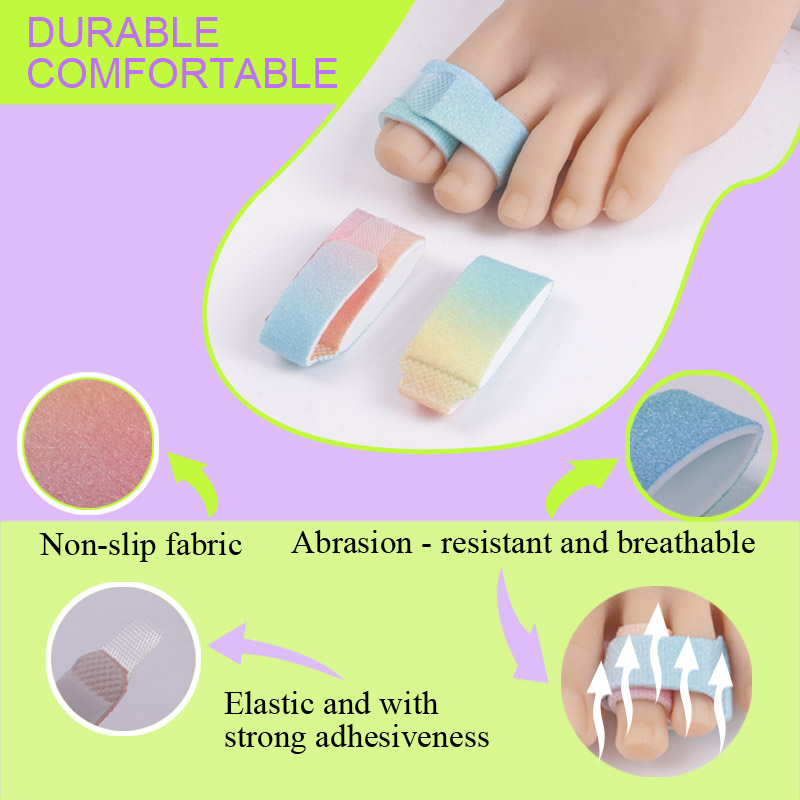
You cannot adopt a universal approach to foot mechanics. Every pathology demands a highly specific mechanical counter-force. Choosing an incompatible design will likely worsen your discomfort. Let us break down the exact mechanisms required for the most common digital ailments.
When digits cross over or tuck under one another, they alter your entire gait cycle. This condition requires a specific mechanical intervention. You need consistent separation combined with gentle downward or upward traction to restore a neutral posture.
The ideal solution involves loop-style wraps or integrated silicone spacers. These designs anchor securely around the affected digit. They gently pull the errant digit back into alignment alongside its neighbors. Flexible materials work best here because they allow natural movement while maintaining the necessary separation.
Hammertoes and claw toes present a more rigid challenge. The middle joint of the digit bends permanently downward, causing the tip to dig into the floor. The mechanism needed here involves firm downward pressure on the elevated joint and rigid immobilization to prevent curling.
Cushioned fabric wraps featuring rigid internal splints offer the ideal solution. Another highly effective option is buddy-taping wraps. These tools strap the bent digit to an adjacent straight one, using the healthy digit as a natural splint. You need structural rigidity to counteract the contracted tendons effectively.
A bunion forms when the big toe drifts inward toward the second toe, forcing the joint outward. Managing this requires big toe abduction—pulling the toe away from the others—alongside significant joint offloading to relieve localized pressure.
Articulated toe wraps or lateral tension bands serve as the ideal solutions. An articulated design features a hinge mirroring the natural joint pivot. This allows you to walk normally while the device maintains lateral tension. Tension bands physically pull the big toe outward, resisting the inward drift characteristic of hallux valgus.
Sometimes the issue involves skin trauma rather than bone alignment. Constant rubbing against shoes or adjacent digits causes painful blisters and hard corns. The mechanism needed here is simple: low-profile barrier protection. You just need to stop the friction.
Thin, breathable gel-lined fabric tubes represent the best approach. You cut these tubes to the exact length you need. They slide easily over the affected digit. The outer fabric glides smoothly against footwear, while the inner gel soothes the irritated skin beneath.
Once you identify the correct design for your condition, you must evaluate the physical product itself. Material science and shoe compatibility directly influence whether you will actually wear the device daily. Poor material choices lead to hygiene issues, while bulky designs end up gathering dust in a drawer.
Manufacturers generally rely on two primary materials: medical-grade silicone and breathable fabric. Each offers distinct advantages depending on your daily routine.
Medical-grade silicone provides exceptional durability. You can wash and sanitize it effortlessly, making it highly hygienic. Silicone naturally resists moisture absorption, which keeps it structurally sound over time. However, this lack of breathability can cause excessive sweating during vigorous activity.
Breathable fabric, often blended with nylon or spandex, delivers superior comfort for all-day wear. It maintains a much lower profile, fitting easily into tighter spaces. The major drawback involves maintenance. Fabric absorbs sweat and odor rapidly, requiring frequent washing to prevent bacterial growth.
Feature Dimension | Medical-Grade Silicone | Breathable Fabric/Nylon |
|---|---|---|
Durability | High (resists tearing and stretching) | Moderate (can fray or lose elasticity) |
Hygiene & Cleaning | Excellent (wipes clean, dries instantly) | Requires thorough machine/hand washing |
Profile/Thickness | Usually thicker, requires more shoe space | Low-profile, fits well in standard shoes |
Breathability | Poor (can induce localized sweating) | Excellent (wicks moisture away) |
The best corrective device becomes useless if it prevents you from wearing shoes. You must perform the "Shoe Test" before committing to a daily regimen. Ask yourself: will this wrap fit inside a standard toe box, or does it require wide-toe footwear? Most rigid splints demand shoes featuring an extra-wide toe box to prevent painful compression.
You also need to differentiate between active and resting use. Manufacturers engineer specific products for athletic performance. These models feature slim profiles and sweat-wicking materials. Conversely, bulky overnight correctors prioritize aggressive realignment while you sleep. Do not attempt to run a marathon wearing a rigid overnight bunion splint.
Be highly skeptical of "one-size-fits-all" marketing claims. Human feet vary drastically in volume, width, and digit length. A wrap lacking adjustability will either cut off your circulation or slip off entirely. You should prioritize products featuring adjustable tension mechanisms, such as Velcro straps. This allows you to scale the compression as your swelling decreases or as you acclimate to the stretch.
Introducing a new biomechanical force to your foot requires patience. Many users abandon their treatment prematurely because they endure avoidable discomfort. Following a structured implementation strategy minimizes these risks.
Your ligaments and tendons have likely spent years adapting to a misaligned posture. Stretching them back into a neutral position involves a biological reality: it will feel uncomfortable initially. Applying too much tension too quickly causes severe localized cramping and joint aching. We strongly recommend a phased adoption schedule to build tolerance safely.
Days 1-3: Wear the device for only 30 minutes while seated or resting. Remove it immediately if you feel sharp pain.
Days 4-7: Increase wear time to one hour. Begin doing light walking around the house to test mobility.
Week 2: Extend usage to two hours daily. Test the device inside your primary walking shoes.
Week 3 and beyond: Gradually scale up to full-day or full-night wear as your ligaments adapt to the new tension.
Your feet produce a significant amount of sweat daily. Dark, moist environments trapped beneath a wrap create an ideal breeding ground for bacteria. You face a real risk of developing fungal infections or contact dermatitis if you neglect proper maintenance. You must wash fabric variants after every single use. Silicone models require a daily wipe-down using mild soap and warm water. Always ensure the device is completely dry before reapplying it to your skin.
These devices are generally safe, but specific medical conditions demand caution. You should avoid wraps entirely if you suffer from severe peripheral neuropathy. Numbness prevents you from feeling if a strap cuts off your circulation. Likewise, individuals managing compromised vascular flow or active open ulcers must avoid any compressive devices. Always consult a licensed podiatrist if you manage diabetes or peripheral arterial disease before starting treatment.
The market currently floods consumers with cheap, white-labeled knock-offs. These ineffective products frequently feature inferior materials causing skin irritation or snapping under minimal tension. You must evaluate the credibility of the brand behind the product to ensure therapeutic value.
Whether you purchase a single item or equip an entire clinic, trust indicators matter. You should audit a brand by looking for clear communication, detailed product specifications, and transparent return policies. Reputable companies provide extensive educational resources demonstrating how to use their tools safely. They do not rely on sensationalized claims promising overnight surgical-level results.
You place these materials directly against sensitive skin for hours. Always look for hypoallergenic, latex-free, and dermatologically tested claims. A trustworthy brand backs these claims up utilizing transparent manufacturing standards. Toxic dyes or cheap synthetic rubbers cause severe allergic reactions, rapidly halting your rehabilitation progress.
Physical therapists, podiatry clinics, and retail distributors face unique challenges. When purchasing whosale Toe Wraps, you need absolute consistency in batch quality. Clinics cannot afford sizing variations or adhesive failures during patient treatments. You should look for suppliers offering robust warranty policies and comprehensive tiered sizing availability to accommodate diverse patient demographics.
Partnering with a dedicated premium foot care products supplier significantly reduces your purchasing risk. Dedicated medical suppliers focus exclusively on biomechanical efficacy. They maintain stringent quality control processes separating them from general e-commerce storefronts selling random assortments of goods. By vetting your supplier thoroughly, you guarantee access to safe, durable, and clinically useful products.
Choosing the correct supportive device ultimately comes down to a logical decision matrix. First, you must identify your specific condition. Next, select the material offering the best balance of durability and hygiene for your lifestyle. Finally, verify exact shoe compatibility to ensure you can actually wear the product during your daily routine. Skipping any of these steps usually leads to poor adherence and continued pain.
Your next step requires a quick physical assessment. Examine your primary walking shoes and pinpoint exactly when your symptoms flare up most aggressively. Use this personal data to finalize your selection based on the frameworks provided above. If you manage a clinic or physical therapy practice, we strongly encourage you to request detailed spec sheets or sample kits from trusted suppliers. Testing these tools firsthand guarantees you provide the best possible care for your patients.
A: They do not provide permanent structural correction for bone deformities. They primarily focus on symptomatic relief and delaying the progression of the condition. You will experience temporary realignment while wearing the device, but permanent changes to your skeletal structure generally require surgical intervention.
A: It depends entirely on the design and your footwear's volume constraints. Rigid wraps and thick splints usually require wide toe boxes to prevent painful compression. Conversely, thin fabric sleeves and low-profile gel tubes typically fit quite comfortably inside standard, everyday shoes.
A: You will likely notice immediate results regarding friction relief and pain reduction during movement. However, achieving noticeable postural benefits, such as a reduction in joint stiffness, generally requires several weeks of consistent, daily use as your ligaments slowly adapt.
A: Neither is objectively better; they serve different needs. Fabric models provide superior breathability and a much slimmer profile for tight shoes. Gel spacers excel at aggressive digit separation, offer excellent moisture resistance, and remain much easier to sanitize daily.


