
English 
T: +86-18251114333
E: kingleo_sz@126.com
E: kingleo_sz@126.com
3rd Floor, Building 2, No. 338 Jiangzhuang Road, Guoxiang Street, Wuzhong District, Suzhou City
Views: 0 Author: Site Editor Publish Time: 2026-06-19 Origin: Site


Runner's toe, black toenails, and friction blisters often derail peak training blocks. Dealing with excruciating foot pain costs you valuable mileage and delays race day readiness. You push your physical limits constantly. Ignoring digital friction guarantees painful, avoidable setbacks during your hardest workouts.
Athletic taping and specialized socks certainly help mitigate moisture. However, structured protection offers targeted impact absorption and reliable sheer defense. These devices actively isolate vulnerable digits when standard remedies fall short. They provide a physical barrier against repetitive stress.
This guide evaluates foot protection solutions based on material science, toe box compatibility, mileage durability, and medical-grade safety. We will explore how different designs perform under intense athletic stress. You will gain the insights needed to make a fully qualified purchase decision and protect your feet.
Material Matters: Pure silicone gel offers maximum impact absorption for downhills, while fabric-lined wraps prioritize breathability and low-friction profiles.
Shoe Volume Constraint: Adding a toe wrap alters toe box volume; selecting the correct thickness is critical to avoid secondary compression issues.
Sourcing Quality: Medical-grade, hypoallergenic materials are non-negotiable to prevent skin maceration during high-sweat endurance events.
Limitation Check: A premium toe wrap mitigates friction and sheer forces but cannot correct the biomechanics of a fundamentally ill-fitting running shoe.
Runners subject their feet to immense mechanical stress. You land multiple times per second during a standard run. Each foot strike generates sheer friction from natural toe splay. Downhill running creates direct repetitive impact forces. Your toes slam against the front interior of the shoe. This repetitive micro-trauma bursts blood vessels under the nail bed. The resulting hematoma creates the dreaded black toenail. Standard friction causes fluid-filled blisters between the digits.
Many athletes attempt to solve this using traditional adhesive bandages. These bandages almost always fail under athletic conditions. Sweat quickly breaks down standard medical adhesives. Dynamic movement causes the bandage edges to roll. The rolled material bunches up inside your sock. This bunched fabric creates a new, rigid pressure point. It often causes worse blisters than the original friction issue. Standard bandages lack the structural integrity required for endurance sports.
A properly engineered Toe Wrap solves these mechanical failures. It encases the digit seamlessly. The material distributes pressure uniformly across the entire skin surface. It buffers the sheer forces between neighboring toes. It also absorbs frontal impacts during steep descents. Importantly, a premium design achieves this without restricting vital blood flow. You maintain healthy circulation while completely neutralizing friction.
Applying rigid athletic tape too tightly, which cuts off digital circulation.
Layering multiple bandages, creating excessive bulk inside the shoe.
Ignoring early hot spots until a full friction blister forms.
Choosing the correct material dictates the success of your foot protection strategy. Manufacturers primarily use two distinct material constructions. You must match the material to your specific athletic symptoms. Impact injuries require different interventions than friction injuries.
All-gel protectors utilize high-density silicone. They provide superior shock absorption. This makes them ideal for treating existing runner's toe or damaged nails. The gel conforms perfectly to your unique anatomy. It acts as a miniature shock absorber for your foot.
However, pure gel designs have notable drawbacks. They lack natural breathability. Sweat cannot easily escape the silicone barrier. They can also feel overly bulky in narrow racing shoes. Pure gel performs best when you need aggressive impact buffering.
Fabric-lined options bond a thin layer of silicone inside a seamless knit sleeve. They offer a low-profile glide against neighboring toes. The fabric exterior remains highly breathable. The smooth fabric exterior slides easily into tight athletic shoes. They prevent the sticky friction often associated with pure rubber products.
The primary limitation is impact defense. Fabric-lined tubes offer slightly less impact protection for severe downhill running. They prioritize blister prevention over heavy shock absorption. They excel during long, flat road races.
Use the following chart to align your symptoms with the correct material choice. This matrix simplifies the selection process.
Primary Symptom | Recommended Material | Best Running Scenario | Key Benefit |
|---|---|---|---|
Black Toenails (Impact) | Heavy-Duty All-Gel | Trail Running, Hilly Routes | Maximum shock absorption |
Between-Toe Blisters | Fabric-Lined Tube | Marathons, Road Racing | Friction reduction, breathability |
Corns or Calluses | Fabric-Lined Tube | Daily Base Mileage | Low-profile targeted relief |
Missing Toenail | Heavy-Duty All-Gel | Recovery Runs | Sensitive tissue protection |
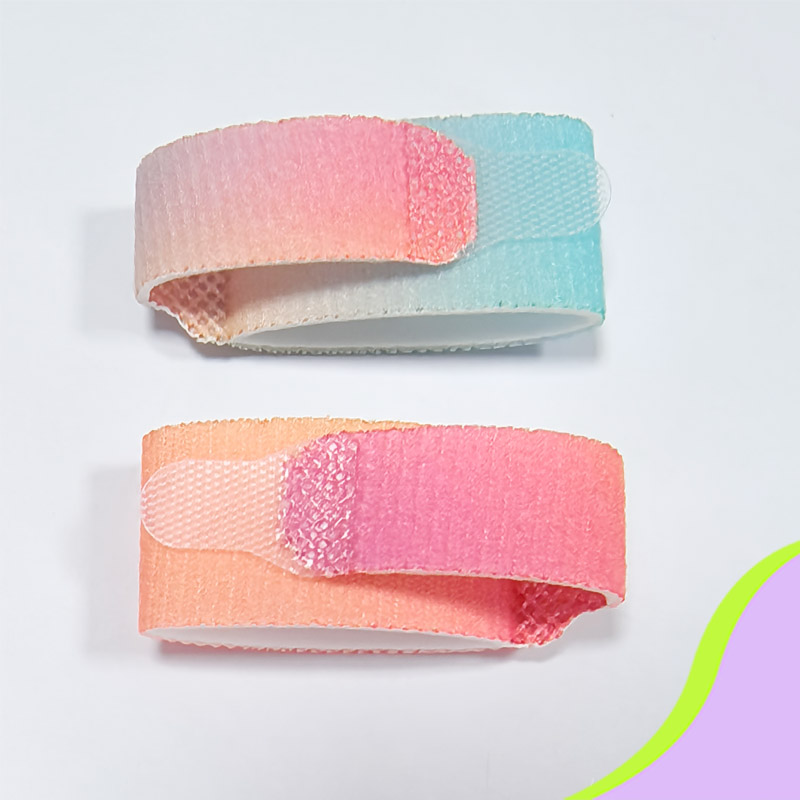
Endurance running demands highly durable equipment. You cannot afford gear failure at mile twenty. Evaluating a Toe Wrap for Runner requires examining four crucial performance criteria. These factors determine whether the product will survive your toughest training blocks.
You must balance maximum protection against toe box crowding. Adding any material alters your shoe volume. Thick gel caps require extra space. If you wear tight racing flats, thick caps will compress adjacent toes. This secondary compression causes nerve pain and numbness. As a general rule, high-cushion caps require a wide toe-box shoe. Always test the fit using your thickest running socks. Ensure you can still splay your feet comfortably.
A reliable wrap stays anchored without using aggressive adhesives. Adhesives melt during heavy exertion. Instead, premium wraps rely on elasticity and skin-safe grip. They must maintain their position during 5K sprints and full marathon distances. The internal silicone should provide a gentle tackiness. This tackiness anchors the wrap against dry skin. It resists slipping even when sweat production peaks. You want mechanical anchoring, not chemical adhesion.
Assess the lifecycle of the product before purchasing. Disposable products generate waste and cost more over time. High-quality wraps endure repeated use. They should withstand gentle hand washing. You must air dry them to maintain their structural integrity. Premium polymers retain their elasticity after dozens of wash cycles. They snap back to their original diameter. Cheaper rubbers stretch out and become useless after one long run.
Skin safety remains paramount during endurance events. Prolonged moisture exposure softens your skin. This makes your foot highly susceptible to irritation. Medical-grade silicone prevents allergic contact dermatitis. It blocks bacteria buildup in the toe box. Inferior materials contain latex or cheap plasticizers. These cheap additives trigger severe allergic reactions. Always verify the hypoallergenic status of your foot care products.
The market floods runners with cheap, generic foot care accessories. Navigating this crowded space requires a discerning eye. You must separate poorly designed bulk items from engineered athletic solutions. Sourcing the right product directly impacts your training consistency.
Avoid one-size-fits-all bulk options entirely. Human anatomy varies drastically between digits. Your big toe requires a fundamentally different circumference than your pinky toe. Generic tubes often cut off circulation on larger digits. Conversely, they slide right off smaller digits. Look for products offering varied sizing. Anatomically tapered designs conform properly to your foot. Proper fit eliminates internal sliding and bunching.
Evaluating a brand requires looking for specific trust signals. A reputable premium foot care products supplier provides total transparency. They publish clear, millimeter-accurate sizing charts. They disclose all material components clearly. They explicitly state if a product is latex-free. Furthermore, expert suppliers offer specific use-case recommendations. They explain which product suits trail running versus track workouts. Look for suppliers who understand athletic biomechanics, not just generic first aid.
Evaluate the cost of premium, reusable toe caps intelligently. Compare their price against the cost of lost training days. Single-use blister treatments add up quickly over a marathon training block. Treating an infected blister requires expensive medical supplies. A premium, washable protector requires a slightly higher initial outlay. However, it provides hundreds of miles of reliable defense. Investing in durable foot protection maximizes your training ROI.
Buying the right gear is only half the battle. Proper application dictates its effectiveness. Even the best protective wrap fails if applied incorrectly. Following a strict protocol ensures maximum performance and safety.
Preparation prevents mid-run failures. Follow these steps meticulously before lacing up your shoes.
Clean the Skin: Wash your feet thoroughly using mild soap. Remove all dirt and dead skin cells.
Dry Completely: Towel dry the area. Let your foot air dry for two additional minutes. Moisture trapped under silicone causes maceration.
Avoid Lotions: Never apply heavy lotions, anti-chafe salves, or petroleum jelly under the wrap. Lubricants cause the silicone to slide off instantly.
Roll It On: Do not stretch and pull the material over the digit. Roll it down gently from the tip to the base.
You must achieve the perfect tension balance. The wrap needs to stay completely secure. It cannot migrate during rapid leg turnover. However, it must remain loose enough to allow healthy blood flow. You need to verify natural toe splay. Press your toenail through the wrap before running. Capillary refill should occur instantly. If your digit throbs or turns pale, the fit is too tight. Remove it immediately and size up.
You must establish clear boundaries on when not to use these devices. They are protective barriers, not medical cures. Never place a non-breathable silicone cap over an actively infected wound. Do not use them over an un-drained, severe blister without consulting a podiatrist. Trapping heat and bacteria worsens infections rapidly. If you suffer from severe neuropathy or advanced diabetes, consult a physician first. You might lack the sensation needed to detect dangerous compression.
Protecting your feet ensures you can tackle high-mileage training blocks without interruption. Choosing the correct toe wrap requires matching the material directly to your symptoms. Use heavy-duty gel for impact protection. Choose fabric-lined tubes for breathability and sheer friction reduction. Always ensure your shoe volume accommodates the added thickness to prevent compression injuries.
Avoid cheap generic tubes. Invest in anatomically correct designs from trusted, medical-grade suppliers. A well-engineered product will survive countless training cycles when washed and dried properly.
Take action before your next long run. Assess your current shoe's toe box volume. Identify your most problematic friction zones. Select a specialized wrap and integrate it into your short recovery runs first. Once validated, trust it to protect your feet during your most demanding endurance events.
A: Pure silicone gel caps do trap localized heat and moisture around the isolated digit. They do not breathe well. If you sweat heavily, this can cause skin maceration over long distances. We strongly recommend using fabric-lined silicone tubes for heavy sweaters. The fabric exterior significantly improves ventilation and moisture management.
A: No, it cannot heal an existing hematoma or fix shoes that are fundamentally too short. A wrap prevents the condition from worsening. It cushions frontal impact and reduces sheer stress. However, you must pair it with properly sized footwear to permanently resolve black toenails.
A: A high-quality silicone protector typically lasts between 150 and 300 running miles. Lifespan depends entirely on weekly mileage and hygiene practices. Washing it gently with mild soap and letting it air dry extends its elasticity. Discard it once the material thins out or loses its original shape.
A: They serve different primary purposes. Toe socks manage general foot splay and light moisture across all digits simultaneously. Toe wraps provide targeted, heavy-duty protection for an individual digit. If you have one specific problem toe suffering from severe impact or blisters, a wrap performs much better.


