
English 
T: +86-18251114333
E: kingleo_sz@126.com
E: kingleo_sz@126.com
3rd Floor, Building 2, No. 338 Jiangzhuang Road, Guoxiang Street, Wuzhong District, Suzhou City
Views: 0 Author: Site Editor Publish Time: 2026-02-02 Origin: Site


Do you struggle with foot pain from bunions? This common condition can make simple activities like walking or wearing shoes a painful experience. Bunions occur when your big toe shifts towards the second toe, creating a noticeable bump. Over time, this can lead to discomfort and mobility issues.
In this guide, you’ll learn how bunion correctors work to realign your toes and relieve pain. We’ll cover the causes, symptoms, and the best strategies for finding reliable relief.
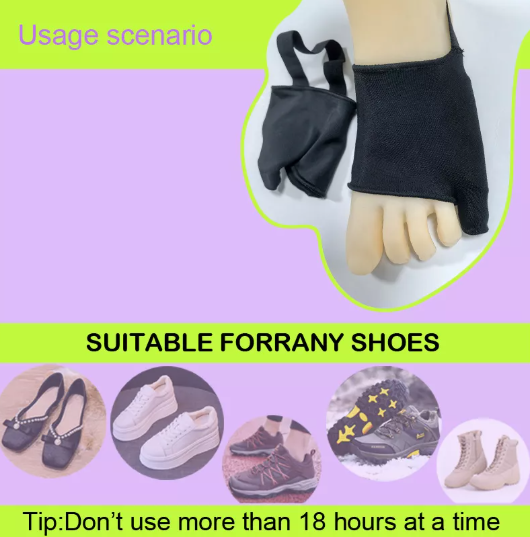
Bunions don’t form overnight. Several factors contribute to their development, and understanding these causes is crucial for choosing the most effective treatment.
Genetics: Family history plays a significant role. If your parents or grandparents had bunions, you are more likely to develop them as well. Inherited foot shapes and structural issues can raise the risk of bunions.
Footwear Choices: Tight, narrow shoes or high heels that squeeze the toes together can exacerbate bunion development. The constant pressure on the big toe forces it into an unnatural position, pushing it toward the other toes and contributing to the formation of a bunion.
Foot Deformities: People with flat feet or low arches are more prone to bunions because these conditions cause the foot to misalign, putting additional stress on the big toe joint. This misalignment increases the likelihood of bunion formation.
Inflammatory Diseases: Conditions like rheumatoid arthritis or other inflammatory diseases can cause swelling and inflammation in the joints. This, in turn, promotes bunion development, as the constant inflammation can lead to joint instability and misalignment.
Early detection of bunions is critical for effective treatment. The sooner you identify the symptoms, the sooner you can start addressing them, potentially avoiding further complications. The most common symptoms of bunions include:
Pain and Tenderness: A visible bump at the base of the big toe that can be sensitive to touch, especially when wearing shoes or standing for prolonged periods.
Toe Misalignment: The big toe may start to angle toward the second toe, causing the joint at the base of the toe to become misaligned. This may lead to the toes overlapping or crowding together.
Redness and Swelling: The skin surrounding the bunion may become red, swollen, and inflamed, especially after long hours of walking or wearing shoes that put pressure on the area.
Limited Movement: Bunion development may restrict the range of motion of the big toe, making it more difficult to bend or straighten the toe. This can affect walking and balance.
Recognizing these symptoms early allows you to take action and start treatment before the condition worsens.
| Cause | Symptom |
|---|---|
| Genetics | Family history increases risk |
| Footwear Choices | Pressure from narrow shoes or high heels causes misalignment |
| Foot Deformities | Conditions like flat feet contribute to misalignment |
| Inflammatory Diseases | Conditions like arthritis lead to inflammation and instability |
Bunion correctors are specially designed devices that help realign the big toe and alleviate the pressure on the affected joint. These devices work by applying gentle, consistent pressure to pull the big toe back into its natural position. Over time, the pressure gradually adjusts the toe alignment, reducing pain and preventing further deformation.
Most bunion correctors are designed to be comfortable and unobtrusive, allowing for use during daily activities or while sleeping. By using these devices regularly, you can experience significant relief from the pain and discomfort associated with bunions, improving your overall foot function.
These correctors do not offer a permanent cure for bunions, but they can slow down the progression of the condition and relieve symptoms. When combined with other methods, such as foot exercises and proper footwear, bunion correctors can greatly enhance overall foot health and mobility.
There are several different types of bunion correctors available, each tailored to address specific needs and levels of severity. Here’s a breakdown of the most common types:
| Type of Corrector | Use | Ideal For |
|---|---|---|
| Bunion Splints | Worn overnight to realign the big toe | Gradual correction during sleep |
| Gel Toe Spacers | Worn during the day to reduce pressure | Daily wear for mild bunions |
| Bunion Braces | Adjustable, worn throughout the day for support | Consistent support for moderate bunions |
| Bunion Sleeves | Flexible fabric sleeves for compression | Mild correction and comfort during activities |
Each type of bunion corrector offers its own set of advantages. Depending on your specific condition and lifestyle, you may find one type more beneficial than others.
When choosing a bunion corrector, it’s essential to consider several factors to ensure that you select the best device for your needs. Here are the most important things to keep in mind:
Comfort: The corrector should be made from soft, breathable materials to avoid irritation. Comfort is especially crucial for devices worn during the day, as you’ll need to wear them for extended periods.
Adjustability: A good bunion corrector should offer adjustable straps or components to provide a custom fit. This is especially important for individuals who experience swelling or have a foot shape that requires a more personalized fit.
Support Level: Depending on the severity of your bunion, you may need a more rigid device to provide stronger support and alignment. For mild cases, a softer, more flexible device like a toe spacer or sleeve might suffice. More severe cases may require a splint or brace for better support.
Choosing the right bunion corrector ultimately depends on your specific needs, lifestyle, and the severity of your bunion. Here’s a comparison of the most common options:
| Corrector Type | Worn Time | Comfort Level | Level of Support | Best For |
|---|---|---|---|---|
| Night Splints | Overnight | Moderate | High | Gradual realignment during sleep |
| Gel Toe Spacers | Daytime | High | Low | Discreet wear for light support |
| Day Braces | Daytime | Moderate | Moderate to High | Continuous support throughout the day |
Consider your daily routine and the level of support you require when choosing a corrector.
To get the most out of your bunion corrector, follow these best practices for effective use:
Start Gradually: Begin by wearing the corrector for short periods, gradually increasing the duration as your feet adjust to the device. This will help avoid discomfort and allow your foot to adapt to the realignment.
Pair with Supportive Footwear: While wearing the corrector, make sure your shoes provide enough room for your toes to move freely. Shoes with a wide toe box are ideal for reducing pressure on the bunion and improving comfort.
Use Consistently: For the best results, it’s essential to use the corrector consistently. Whether worn during the day or overnight, regular use is crucial for preventing further progression and alleviating pain.
When using a bunion corrector, avoid these common mistakes:
Over-tightening: Don’t tighten the corrector too much. Excessive pressure can lead to discomfort, poor circulation, and skin irritation.
Expecting Quick Results: Bunions take time to correct, so be patient. Consistent use over weeks or even months is required to see significant results.
Relying Solely on the Corrector: A bunion corrector is just one tool in managing bunions. Combine its use with other methods like exercises, proper footwear, and, if necessary, professional advice for the best results.
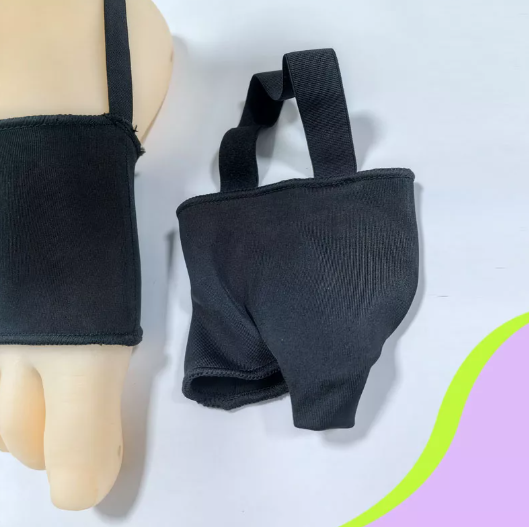
Incorporating simple foot exercises into your routine can greatly enhance the effectiveness of your bunion corrector. These exercises can help strengthen the muscles around your big toe and improve flexibility, which reduces pain and prevents the condition from worsening.
Big Toe Stretch: Gently pull your big toe back to its natural position and hold for 10 seconds. Repeat this stretch several times a day.
Toe Spread: Spread your toes apart and hold for 5–10 seconds. This helps realign the toes and reduces pressure on the bunion.
Foot Roll: Roll the arch of your foot over a tennis ball for 2–3 minutes. This exercise relieves tension in the arch and improves circulation.
The shoes you wear can have a significant impact on your bunion pain. Here are some tips to reduce pressure on your bunion:
Choose Shoes with a Wide Toe Box: Shoes with more room for your toes can reduce the pressure on the bunion and improve comfort.
Orthotic Inserts: Custom orthotics can provide additional support and help realign your feet, reducing the pain caused by bunions.
Avoid High Heels and Tight Shoes: These types of shoes put excessive pressure on your toes and exacerbate bunion pain. Opt for comfortable, supportive shoes with a wide toe box.
Along with bunion correctors, other non-invasive methods can help relieve pain and discomfort:
Ice Therapy: Apply ice packs to the bunion for 15–20 minutes several times a day to reduce swelling and numb the area.
Bunion Pads and Cushions: These provide additional cushioning to reduce friction and pressure on the bunion, making walking or standing more comfortable.
Bunions are a common condition, but they can be managed effectively. Using the right bunion corrector, staying consistent, and making lifestyle changes can reduce discomfort and prevent further issues. Early intervention is key to preventing complications.
Choosing the right bunion corrector for your needs and combining it with other treatments offers the best long-term relief. Suzhou Kingstone Garments Co., Ltd provides high-quality bunion correctors that offer comfort and support, helping to alleviate pain and improve mobility.
A: A Bunion Corrector is a device designed to realign the big toe and relieve pressure on the affected joint, helping to alleviate pain and prevent further misalignment.
A: A Bunion Corrector applies gentle pressure to the big toe, gradually realigning it to its natural position, which reduces pain and prevents the condition from worsening.
A: Using a Bunion Corrector can help reduce pain, prevent further progression of the bunion, and improve mobility, especially when combined with other treatments like proper footwear.
A: Results vary, but consistent use of a Bunion Corrector over weeks or months can lead to noticeable improvements in pain relief and toe alignment.
A: Yes, some types of Bunion Correctors, like braces and gel spacers, are designed for daytime use and provide continuous support and comfort while you go about your activities.


