
English 
T: +86-18251114333
E: kingleo_sz@126.com
E: kingleo_sz@126.com
3rd Floor, Building 2, No. 338 Jiangzhuang Road, Guoxiang Street, Wuzhong District, Suzhou City
Views: 0 Author: Site Editor Publish Time: 2025-11-03 Origin: Site


Finding the right solution for bunion pain or toe misalignment can be confusing when so many options are available—from non-invasive aids like Toe Straightener and bunion correctors to more drastic surgical procedures. At Suzhou Kingstone Garments Co., Ltd, we understand that every foot is unique and every customer seeks comfort, mobility, and confidence. With over 14 years of experience in developing advanced foot care products, our mission is to help you choose effective, science-backed tools that promote healthy alignment without unnecessary risks. This article explores how each option works, what to expect, and how conservative care can make a real difference before considering surgery. Our goal is to provide both insight and assurance—showing that with the right guidance, your feet can heal naturally while maintaining balance and strength.
Toe straighteners are designed to gently realign the toes by guiding soft tissues and muscles into their natural position. Made from flexible yet supportive materials like medical-grade silicone or foam, these devices apply gradual tension that helps correct mild deformities caused by bunions, overlapping toes, or hammertoes. Over time, consistent use can reduce discomfort, improve balance, and prevent further misalignment. They are best worn inside roomy shoes or at rest, supporting the feet during daily routines.
Suzhou Kingstone Garments Co., Ltd manufactures toe straighteners that blend comfort and durability, ensuring long-lasting elasticity that maintains proper toe spacing. Many users appreciate their ability to relieve pain without restricting movement, making them an ideal first-line solution for people seeking natural foot correction. Our products are the result of careful ergonomic research, taking into account the curvature of the foot, skin sensitivity, and long-term usability. Every detail—from material softness to size adaptability—is designed to make daily correction a seamless part of your lifestyle.
Bunion correctors, also known as bunion splints or orthoses, focus on reducing the angle between the first and second toes by stabilizing the big toe joint. They often include adjustable straps that hold the toe in place while cushioning the bunion area. Although they cannot reverse bone deformities, they can slow progression, relieve pressure, and promote joint flexibility. When used regularly, these devices can complement a Toe Straightener, forming a non-invasive care system that addresses both joint alignment and soft tissue balance.
Our bunion correctors are crafted using breathable, skin-friendly fabrics and medical-grade fasteners, ensuring that users can wear them for long hours without discomfort. Each design passes through multiple stages of quality inspection and user testing to guarantee both function and comfort.
Bunion surgery (hallux valgus correction) involves physically realigning bones and soft tissues to restore the normal structure of the foot. Depending on severity, surgeons may shave off bone, reposition ligaments, or insert screws for stabilization. Surgical treatment can be highly effective in advanced deformities, but it also comes with recovery periods, potential complications, and the need for rehabilitation. For many people with mild to moderate symptoms, conservative approaches like toe straighteners and bunion correctors are safer and sufficient.
Toe straighteners are often the first step toward improving toe alignment and reducing pain naturally. Their advantages include ease of use, affordability, and compatibility with most footwear. By keeping the toes separated and properly aligned, they minimize friction and prevent overlapping, making them especially useful for those who spend long hours standing or walking.
Another significant benefit is that toe straighteners target soft tissue elasticity rather than bones, allowing gradual adaptation. They can also be used preventively to stop deformities from worsening. In addition, they can complement other foot care routines such as stretching or massage, making them part of a holistic wellness plan.
However, toe straighteners may have limited effect on severe bunions or rigid deformities. They require consistent wear to maintain progress, and results depend on individual anatomy. Yet, their comfort, accessibility, and low risk make them an excellent conservative starting point for anyone wishing to avoid surgery. For workplaces or daily environments that demand long hours of standing, using a toe straightener during rest periods can significantly reduce swelling and fatigue.
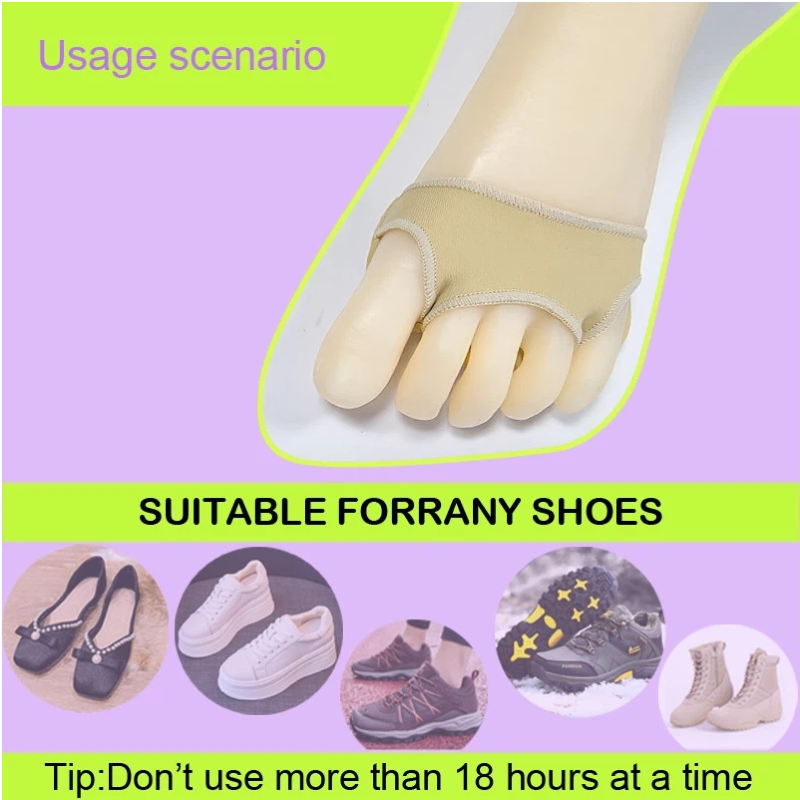
Bunion correctors focus on reducing pain and inflammation around the joint by realigning the toe and redistributing pressure. They are often worn at night or during low-activity periods, allowing soft tissue relaxation and correction without the strain of body weight.
The advantages of bunion correctors include their ability to relieve pressure, improve posture, and delay the need for surgery. Many models include padded cushions to protect the bunion from shoe rubbing. When used alongside a Toe Straightener, they offer dual support—addressing both dynamic and static alignment.
On the downside, bunion correctors may not fit comfortably in tight shoes and are less suitable for highly active users. They also cannot permanently correct severe bone deformities but are effective in pain management and slowing progression. In mild and moderate cases, they remain a practical and non-invasive alternative. Users who combine bunion correctors with strengthening exercises often report greater comfort and improved walking patterns.
Surgery becomes an option when conservative methods fail to control pain or restore mobility. Typically, orthopedic specialists evaluate bunions based on the hallux valgus angle and intermetatarsal angle. When deformities exceed certain degrees or when chronic inflammation persists despite non-surgical care, surgery may be recommended.
Clinical signs that surgery may be needed include constant pain even while resting, visible rotation of the toe, overlapping toes that cannot be straightened manually, or shoe fitting difficulties that affect mobility. Still, surgery should always be considered after trying conservative treatments for at least several months.
At Suzhou Kingstone Garments Co., Ltd, our goal is to help you make informed choices before reaching that point—providing devices that support the foot naturally, improve alignment, and potentially reduce the need for surgery. Our research and user feedback have shown that consistent use of toe straighteners combined with proper footwear can often postpone or eliminate surgical necessity in early-stage bunion cases.
One of the biggest differences between non-surgical aids and surgery lies in cost and recovery time. Toe straighteners and bunion correctors are affordable and require no downtime. You can wear them daily, adjust your footwear, and continue most normal activities. The improvement may be gradual, but it happens naturally without risk.
Surgery, on the other hand, involves medical costs, anesthesia, and several weeks of recovery. Swelling and discomfort can last for months, and in some cases, residual stiffness may occur. While the success rate of bunion surgery is high, it requires lifestyle adjustments during healing.
For individuals who lead active lives or prefer low-risk solutions, non-invasive methods offer flexibility and affordability. At Suzhou Kingstone Garments Co., Ltd, our toe straighteners and bunion correctors are designed to fit seamlessly into everyday life—no hospital stays, no downtime, and no complicated procedures. Our products make it easier for customers to maintain their mobility and freedom while caring for their feet responsibly and effectively.
An effective bunion care strategy doesn’t rely on a single device—it combines proper footwear, exercise, and daily use of corrective aids. Start by choosing shoes with wide toe boxes, low heels, and cushioned insoles to relieve pressure. Pair them with a Toe Straightener to keep toes properly spaced and aligned during activity.
Simple exercises can also strengthen the foot muscles that support natural alignment. Toe spreads, towel scrunches, and heel raises improve flexibility and circulation, helping the soft tissues adapt to the new positioning provided by your toe devices.
For added comfort, wear bunion correctors or night splints during rest to maintain gentle correction overnight. This continuous care routine not only reduces pain but helps reshape toe alignment gradually. Suzhou Kingstone Garments Co., Ltd offers customizable toe straighteners and bunion supports that integrate easily into your daily lifestyle—helping you regain comfort, stability, and confidence without surgical risks.
Choosing between a Toe Straightener, bunion corrector, and surgery depends on your condition’s severity, lifestyle, and goals. For many people, starting with conservative options offers effective relief and alignment without pain or recovery downtime. Surgery remains valuable for severe or advanced deformities but should be a last resort after trying non-invasive care.
Suzhou Kingstone Garments Co., Ltd has spent more than a decade perfecting reliable, comfortable, and medically inspired foot care products that meet the needs of users worldwide. If you’re looking to restore balance, relieve bunion discomfort, and protect your foot health naturally, our range of toe alignment devices can help you take the next confident step. For more information or collaboration inquiries, please contact us today.


