
English 
T: +86-18251114333
E: kingleo_sz@126.com
E: kingleo_sz@126.com
3rd Floor, Building 2, No. 338 Jiangzhuang Road, Guoxiang Street, Wuzhong District, Suzhou City
Views: 0 Author: Site Editor Publish Time: 2025-10-28 Origin: Site


Scientific validation is increasingly shaping how consumers choose foot care products. For many people dealing with bunions, overlapping toes, or chronic toe discomfort, knowing whether a Toe Straightener truly works can make the difference between confidence and hesitation. At Suzhou Kingstone Garments Co., Ltd., we understand that credibility and proven results are essential to earning long-term trust. That’s why our products are not only designed for comfort but are developed with careful attention to research, clinical feedback, and user outcomes. This article explores what scientific studies and podiatric experts actually say about toe straighteners and separators—what is proven, what remains under study, and how users can apply this evidence to achieve better results.
Over the past decade, the popularity of non-surgical toe correction devices has grown rapidly. Researchers have begun to examine whether toe straighteners and toe separators provide measurable anatomical and functional improvements. While the field is still developing, several studies offer valuable insights into how these devices influence alignment, pain, and joint mobility.
A number of small-scale but well-designed studies have assessed the biomechanical and comfort-related effects of toe separators. For example, clinical evaluations of hallux valgus (commonly known as bunions) have shown that consistent use of toe separators can reduce pressure between toes, improve joint spacing, and slightly correct the first toe angle. These results may seem modest, but they highlight a key benefit: progressive, non-invasive alignment improvement without the risks of surgery.
A study published in a peer-reviewed orthopedic journal followed participants with mild to moderate bunions using silicone or gel toe spacers for several weeks. Results demonstrated improved walking comfort, reduced inflammation at the joint base, and enhanced balance when compared to those who received no intervention. Another investigation involving elderly participants reported that toe straighteners improved foot stability and toe flexibility, helping reduce discomfort during daily activities.
While not all studies agree on the degree of improvement, the majority conclude that regular, consistent use—particularly when combined with stretching or corrective exercises—leads to measurable comfort benefits and a better sense of toe control. Importantly, toe separators and straighteners are considered low-risk interventions. They provide a safe first step for those hesitant to undergo surgical correction.
Podiatrists worldwide are increasingly open to incorporating conservative devices into treatment plans for common toe deformities. Most professionals agree that while toe straighteners are not a “cure” for bunions or hammertoes, they serve as a useful part of a long-term management strategy.
Clinicians often recommend toe straighteners for individuals in the early stages of hallux valgus or overlapping toes, where joint stiffness and shoe pressure are starting to create pain. By gently repositioning the toes and maintaining space between them, these devices can reduce irritation, slow deformity progression, and enhance blood circulation to the toes. Some podiatrists also suggest that patients use them during rehabilitation after surgery to maintain proper alignment and prevent recurrence.
One common theme among podiatric recommendations is consistency. Wearing a toe straightener for short, regular periods each day is generally more beneficial than occasional or prolonged use that may cause discomfort. Many practitioners also emphasize pairing the device with properly fitted footwear, soft insoles, and simple exercises to maintain toe strength and flexibility.
From a clinical standpoint, podiatrists see toe straighteners as both preventive and corrective tools. They are ideal for patients who spend long hours standing, for athletes whose toes endure repetitive stress, or for anyone noticing mild misalignment or stiffness. When used responsibly, they help preserve natural toe shape and function, which ultimately supports healthier movement patterns.
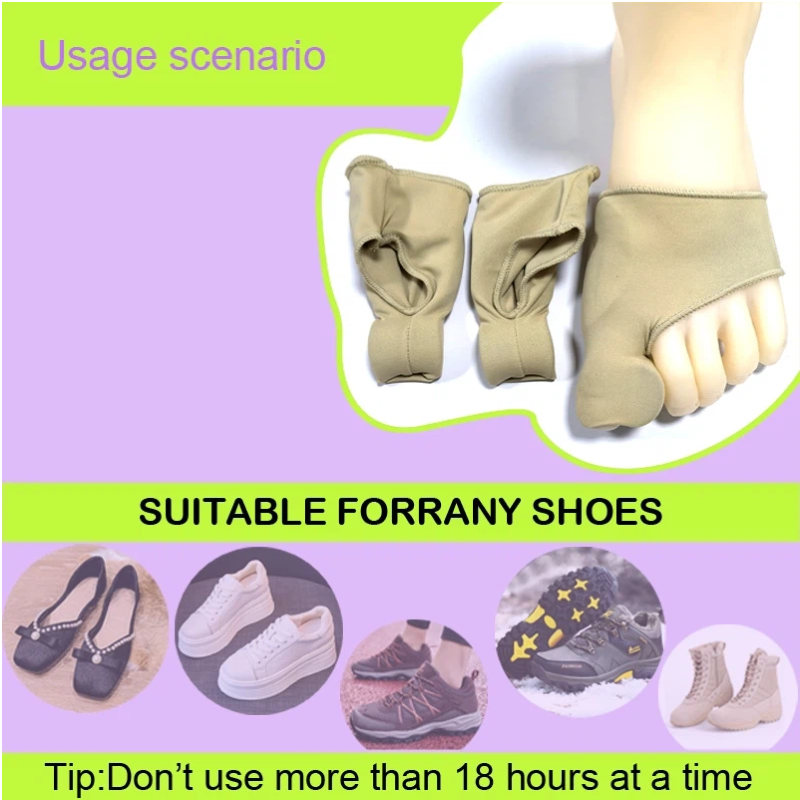
Although existing evidence is encouraging, it is also important to recognize the limitations of the available research. Most studies on toe separators and straighteners involve small sample sizes, short observation periods, and subjective comfort assessments rather than long-term anatomical changes. Consequently, while the short-term benefits are well documented—such as reduced pain and better alignment—there is less clarity on how these improvements hold up over several years.
Another limitation is variability in product design. Not all toe straighteners are created equal. Materials, elasticity, and anatomical fit significantly affect outcomes. Some studies use customized or medical-grade devices, while others rely on over-the-counter versions. This makes cross-comparison challenging.
Moreover, user adherence plays a huge role. If the device is not worn consistently or if it causes discomfort leading to irregular use, results will naturally vary. Some users expect immediate correction, but the mechanism of a toe straightener depends on gradual alignment through repetitive, low-force adjustment—much like orthodontic retainers for teeth.
Despite these research gaps, experts agree that the risk-benefit ratio is overwhelmingly positive. With proper design and consistent wear, toe straighteners can deliver real functional support, even if they do not produce dramatic anatomical transformations.
For individuals seeking relief from bunion pain or toe misalignment, the practical takeaway from existing studies is clear: toe straighteners offer legitimate short-term comfort and mild corrective benefits, especially when used regularly. They are effective for redistributing pressure, improving toe spacing, and minimizing friction between overlapping toes.
What remains unproven is whether they can completely reverse structural deformities or eliminate the need for surgery in severe cases. However, even without complete correction, maintaining joint mobility and reducing pain are valuable outcomes that improve daily quality of life. For this reason, many users find toe straighteners worthwhile as part of a broader self-care approach.
From an evidence-based perspective, consistency is key. Wearing the device daily for short periods, particularly after work or during rest, is more effective than sporadic use. Regular stretching of the foot muscles, combined with wearing comfortable shoes, enhances the benefits.
At Suzhou Kingstone Garments Co., Ltd., we design our toe straighteners using medical-grade silicone and ergonomic shapes that conform naturally to the foot. This ensures proper pressure distribution and a comfortable fit suitable for extended use. Our products are developed with professional input and rigorous quality control, aligning with both scientific insights and podiatric recommendations.
The most successful outcomes occur when users integrate toe straighteners into a comprehensive foot care routine. Conservative care includes several evidence-supported practices that complement the mechanical correction offered by these devices.
1. Foot exercises: Gentle stretching and strengthening exercises help maintain joint mobility. Movements like toe spreads, towel scrunches, or marble pickups can strengthen intrinsic foot muscles and enhance the device’s corrective impact.
2. Proper footwear: Wearing shoes with a wide toe box and soft upper materials prevents compression and allows the straightener to work effectively. Avoiding narrow or high-heeled shoes significantly reduces bunion stress.
3. Regular monitoring: Checking for changes in alignment or pressure points allows users to adjust usage as needed. Some people may benefit from using toe straighteners at night, while others prefer short daily sessions.
4. Massage and circulation support: Gentle massage or warm water soaking before and after using the device promotes blood flow and relaxation, maximizing comfort.
By combining these methods, users reinforce the natural function of their toes, encouraging alignment through active and passive support. This approach not only aligns with podiatric recommendations but also ensures long-term satisfaction with the product.
Suzhou Kingstone Garments Co., Ltd. has spent over fourteen years refining these design principles. Our commitment to user-centered innovation is reflected in every product—from the choice of materials to the ergonomic details that make daily wear effortless. Our FDA- and SEDEX-certified production process guarantees that every product meets international quality standards while maintaining comfort and durability.
The growing body of clinical and professional evidence confirms that Toe Straighteners are valuable tools in conservative foot care. While they may not completely reverse structural deformities, they consistently provide comfort, better alignment, and preventive support for individuals dealing with bunions or overlapping toes. Podiatrists endorse them as safe, low-risk options for early-stage correction and daily maintenance, especially when used alongside proper footwear and simple exercises.
At Suzhou Kingstone Garments Co., Ltd., our mission is to make advanced, research-informed foot care accessible worldwide. With over fourteen years of innovation and partnerships with major global retailers, we continue to refine our designs for optimal comfort and performance. To explore our full range of toe alignment solutions, or to learn more about how our certified manufacturing can support your business needs, please contact us today.


