
English 
T: +86-18251114333
E: kingleo_sz@126.com
E: kingleo_sz@126.com
3rd Floor, Building 2, No. 338 Jiangzhuang Road, Guoxiang Street, Wuzhong District, Suzhou City
Views: 0 Author: Site Editor Publish Time: 2025-11-12 Origin: Site


Have you ever wondered if sleeping with toe separators is beneficial or risky? These small devices can significantly impact foot health by improving alignment and reducing discomfort. In this post, you'll learn about toe separators, their benefits, and whether it's safe to wear them overnight.
Toe separators are small devices placed between the toes to create space and prevent them from overlapping or crowding. They come in various shapes and materials, designed to gently realign the toes and improve overall foot health. People often use them to relieve discomfort caused by bunions, hammertoes, or tight footwear.
There are several types of toe separators, each suited for different needs:
Gel Toe Separators: Made from soft, medical-grade silicone gel, these provide gentle cushioning and are ideal for sensitive skin. They adapt well to toe shapes, making them a popular choice for comfort.
Foam Toe Separators: Lightweight and breathable, foam separators offer moderate support and cushioning. They suit individuals with mild toe misalignment.
Silicone Toe Separators: Durable and flexible, silicone separators are good for more severe toe deformities or post-surgery recovery. They withstand prolonged use without losing shape.
Fabric Toe Separators: Made from fabric combined with elastic, these provide a snug fit and stay in place well during movement or sleep.
Custom-Made Toe Separators: Tailored to an individual's foot shape, these offer the highest level of comfort and effectiveness but come at a higher cost.
Toe separators work by gently pushing the toes apart, encouraging them to return to their natural alignment. This separation reduces friction and pressure between toes, which can help prevent or alleviate common foot problems such as bunions, hammertoes, and overlapping toes. By improving toe alignment, they also promote better foot biomechanics, enhancing balance and stability.
Additionally, separating the toes can improve blood circulation in the feet. Better circulation helps reduce swelling and discomfort, especially after long periods of standing or physical activity. Some users find that toe separators help relax foot muscles, which can relieve tension and reduce foot pain.
By consistently using toe separators, the tissues and joints in the feet adapt over time, potentially leading to long-term improvements in foot structure and function. Choosing the right type and size of toe separators is crucial for comfort and effectiveness; improper fit can cause irritation or worsen foot issues.
Toe separators help gently realign your toes by creating space between them. This prevents overlapping and crowding, which often cause discomfort and worsen foot conditions like bunions and hammertoes. By keeping toes properly spaced, separators encourage natural toe splay. Over time, this can improve your foot's structure and balance. Proper alignment also supports better weight distribution when you stand or walk, reducing strain on certain parts of your foot.
Separating the toes improves blood flow in your feet. When toes crowd together, circulation can become restricted, leading to swelling or coldness. By wearing toe separators, you promote better blood circulation, which helps reduce these issues. Improved circulation also aids in faster recovery after exercise or long periods of standing. This increased blood flow can relieve tension and refresh tired foot muscles.
Toe separators can ease foot pain caused by pressure and friction between toes. Conditions like plantar fasciitis, metatarsalgia, and Morton’s neuroma often involve tight or misaligned toes. Separators reduce this pressure by spreading the toes apart, which helps alleviate pain. Many users report less soreness and discomfort after consistent use. Additionally, by realigning toes, separators reduce stress on joints and ligaments, further decreasing pain over time.
Using toe separators regularly can help prevent common foot problems. By maintaining proper toe alignment and reducing pressure points, they lower the risk of developing bunions, hammertoes, and overlapping toes. Separators also keep toes dry and separated, minimizing fungal infections between toes. For athletes or those on their feet a lot, separators support foot health and can prevent injuries caused by improper toe positioning.
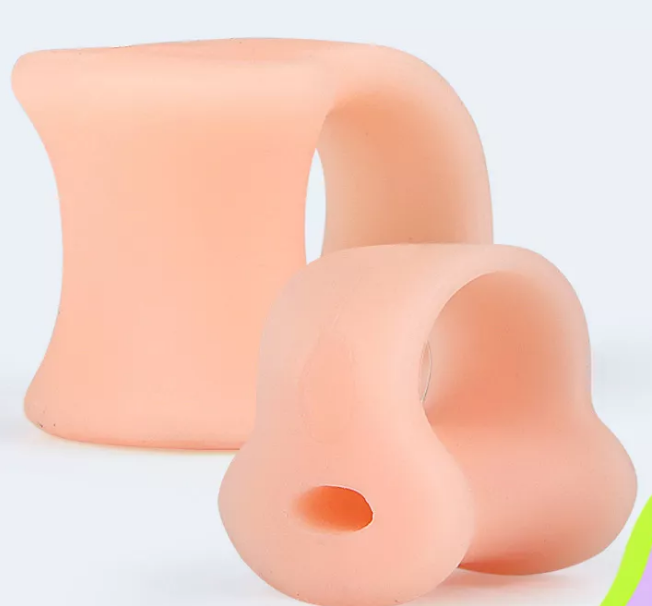
Sleeping with toe separators is generally safe for many people, but it depends on the type used and individual foot conditions. Some separators are soft and flexible, designed for overnight use, while others may be too rigid or bulky, causing discomfort or skin irritation during sleep. It's important to ensure the separators fit well and don't pinch or squeeze your toes.
One safety concern is that you may not notice if the separators shift or cause numbness while you sleep. This lack of awareness could lead to pressure points or circulation issues if the separators are too tight. People with diabetes or poor foot sensation should be especially cautious and consult a healthcare professional before sleeping with toe separators.
Also, heavy bedding or restless movements might dislodge separators, reducing their effectiveness or causing irritation. Choosing separators designed to stay in place during rest can help minimize this risk.
Wearing toe separators overnight can offer several benefits. Extended wear time allows toes to maintain proper spacing longer, which may improve alignment gradually. This can be especially helpful for conditions like bunions, hammertoes, or overlapping toes.
Sleeping with separators may enhance blood circulation in the feet by reducing toe crowding. Better circulation helps reduce swelling and foot fatigue, promoting comfort. Some users report less morning foot stiffness and reduced pain after wearing separators overnight.
Additionally, toe separators can relax foot muscles by gently stretching them during sleep. This relaxation might lead to improved foot function and reduced discomfort during the day.
For people who find separators comfortable at night, this extended use can complement daytime wear, potentially accelerating foot health improvements.
Despite the benefits, some drawbacks exist. Initial discomfort or unfamiliar sensations may disrupt sleep quality. If separators feel too tight or cause pain, they should be removed immediately.
There is a risk of skin irritation or allergic reactions from certain materials, especially if separators are worn for prolonged periods without cleaning. Maintaining hygiene by regularly washing separators is essential.
Separators may slip off or move during sleep, lessening their effectiveness and possibly causing irritation. Some designs include straps or loops to help keep them in place, but these might add bulk or discomfort.
Lastly, wearing separators overnight without proper professional guidance could worsen certain foot conditions or delay healing if used incorrectly. When considering overnight use of toe separators, start gradually and choose soft, breathable materials to ensure safety and comfort during sleep.
| Category | Details |
|---|---|
| Safety Considerations | Generally safe, but depends on the type and fit. Improper fit may cause discomfort or skin irritation. |
| Foot Conditions to Watch | People with diabetes or poor foot sensation should consult a healthcare professional before use. |
| Risk of Dislodgement | Heavy bedding or restless movements can shift or dislodge separators, reducing effectiveness or causing irritation. |
| Potential Benefits | Can improve foot alignment, enhance circulation, reduce swelling, and promote comfort. |
| Muscle Relaxation | Gently stretches foot muscles during sleep, improving foot function and reducing discomfort. |
| Possible Drawbacks | Initial discomfort, skin irritation, potential allergic reactions, and risk of separation during sleep. |
| Hygiene Considerations | Regular cleaning of separators is necessary to avoid skin irritation. |
| Professional Guidance | Consult a professional to ensure correct usage and avoid worsening foot conditions. |
Material Softness: Choose soft, flexible materials like gel or silicone. They cushion toes gently without causing pressure or irritation during sleep.
Fit and Size: Proper sizing prevents slipping or pinching. Too tight separators can restrict circulation, while loose ones may move around and lose effectiveness.
Breathability: Materials that allow air flow reduce sweat and skin irritation, important for overnight wear.
Durability: Since separators stay on longer during sleep, pick ones that hold shape and don’t degrade quickly.
Ease of Cleaning: Overnight use means separators can collect sweat and bacteria. Choose options easy to clean to maintain hygiene.
Gel Toe Separators: Soft and flexible, gel separators mold to toes well. They are gentle enough for all-night wear and provide cushioning.
Silicone Toe Separators: Durable and slightly firmer, silicone separators offer good support and last long. Many are designed specifically for extended use.
Fabric Toe Separators: Made from breathable, stretchy materials, these stay in place well and feel comfortable during sleep.
Custom-Made Separators: Tailored to your foot shape, these offer the best fit and comfort for overnight use, especially if you have unique foot issues.
Avoid harder or bulky separators like some foam or plastic types for sleeping, as they may cause discomfort or skin problems.
Off-the-Shelf: Readily available and affordable, these separators come in standard sizes. They work well for mild to moderate toe alignment needs and are a good starting point.
Custom-Made: These are crafted to fit your foot precisely, ideal for severe deformities or sensitive skin. Though pricier, they provide superior comfort and effectiveness during sleep.
Consulting a podiatrist can help determine if custom separators are necessary. They can also guide you on the best type and fit for your condition.
Tip: When selecting toe separators for overnight use, prioritize soft, breathable materials and a snug but comfortable fit to ensure safety and maximize benefits while you sleep.
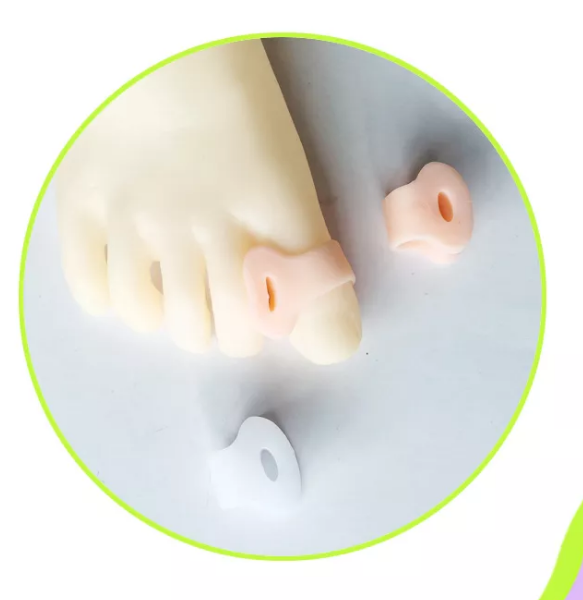
Sleeping with toe separators can be a great way to support foot health overnight. However, getting used to them might take some time. Here are some tips to help you sleep comfortably while wearing toe separators.
Make sure to place the separators snugly between your toes, aligning them with your natural toe curves. This helps keep them in place and prevents slipping during sleep. If the separators shift or bunch up, they can cause discomfort or even skin irritation. Some designs come with straps or loops to secure them better, which can be useful if you move a lot in your sleep.
If you’re new to sleeping with toe separators, start slowly. Wear them for 30 minutes to an hour at first, then gradually increase the time over several nights. This helps your feet adjust to the sensation without causing soreness or irritation. Jumping straight into overnight use might feel strange or uncomfortable, so easing in is key.
Some mild discomfort is normal at the beginning. Your toes and foot muscles are adapting to a new position. However, if you experience sharp pain, numbness, or persistent irritation, remove the separators immediately. Clean separators regularly to avoid skin problems, and try different materials if irritation occurs. Soft gel or silicone separators usually cause less discomfort and are good choices for overnight wear.
If you find your separators slip off, try a different style or size. Custom-made options offer the best fit but cost more. If discomfort continues, consult a podiatrist for advice tailored to your foot condition. Start wearing toe separators gradually at night, positioning them properly to prevent slipping and reduce discomfort for a restful sleep.
Many podiatrists recognize toe separators as a helpful tool for improving foot alignment and relieving discomfort from conditions like bunions and hammertoes. Dr. Sarah Thompson, a board-certified podiatrist, explains that wearing toe separators during sleep can provide extended time for toes to realign and relax, which supports foot recovery. She notes, “Extended wear during rest helps reduce pressure points and promotes better blood flow.”
However, experts also caution that not all toe separators are suitable for overnight use. Materials should be soft and flexible to avoid pinching or skin irritation. Dr. Michael Collins advises, “Choosing the right type and fit is crucial. Some separators may shift or cause numbness during sleep, so individuals with poor foot sensation should consult a healthcare provider before trying overnight use.”
Podiatrists often recommend combining toe separators with daytime use during weight-bearing activities and foot exercises. This combination yields better long-term results by strengthening foot muscles and encouraging proper biomechanics.
Real users report a range of experiences with sleeping in toe separators. Emily, a yoga instructor, shares, “Sleeping with gel toe separators helped reduce my bunion pain and made my toes feel less cramped in the morning. It took a few nights to get used to, but now I sleep better.” Similarly, Mark, a runner, found relief from metatarsalgia by wearing silicone separators overnight. He says, “They support my recovery by stretching my toes gently while I rest.”
Some users find initial discomfort normal but manageable by starting with short periods and gradually increasing wear time. Others mention that separators slipping off during sleep can be frustrating, especially if they move around under heavy blankets.
Discomfort or Pain: Mild discomfort is common at first. If pain or numbness persists, remove separators and consult a specialist.
Slippage: Proper sizing and positioning help reduce movement. Some designs include straps to keep separators in place.
Skin Irritation: Regular cleaning and choosing hypoallergenic materials minimize irritation risks.
Suitability: People with diabetes or reduced foot sensation should seek medical advice before wearing separators overnight.
Overall, expert opinions and user experiences suggest that sleeping with toe separators can be beneficial if done carefully. Proper selection, gradual adaptation, and professional guidance enhance safety and effectiveness. Consult a podiatrist before starting overnight use of toe separators to ensure the right fit and avoid potential risks.
Toe separators improve foot alignment and circulation, reducing pain and preventing conditions like bunions. Sleeping with them is generally safe, but select soft, flexible materials and ensure a proper fit. Gradual adaptation is key to comfort. Consult a podiatrist if unsure. Proper foot care is essential for long-term health. Kingstone offers high-quality separators, enhancing comfort and effectiveness. Their products support foot health, providing lasting benefits for users seeking relief and improved foot function.
A: Toe separators are used to gently realign toes, improve foot health, and relieve discomfort from conditions like bunions and hammertoes.
A: Yes, you can sleep with toe separators if they are soft and fit well, but consult a healthcare professional if you have foot conditions.
A: Toe separators improve circulation by reducing toe crowding, which enhances blood flow and reduces swelling and discomfort.
A: Custom-made toe separators offer superior comfort and effectiveness, especially for severe deformities, but are more expensive than off-the-shelf options.


