
English 
T: +86-18251114333
E: kingleo_sz@126.com
E: kingleo_sz@126.com
3rd Floor, Building 2, No. 338 Jiangzhuang Road, Guoxiang Street, Wuzhong District, Suzhou City
Views: 0 Author: Site Editor Publish Time: 2025-11-17 Origin: Site


Are your feet often sore or misaligned? Toe separators might be the solution. These small devices help spread toes, improving alignment and comfort. In this post, you'll learn about their benefits for foot health and how long you can safely wear them.
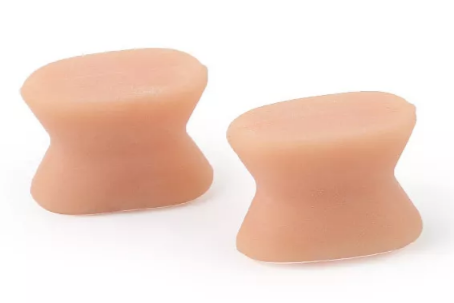
Toe separators are small devices designed to fit between your toes. Their main goal is to gently spread the toes apart, helping to correct alignment issues and relieve pressure. People use them to improve foot health, manage pain from conditions like bunions or hammertoes, and enhance overall comfort. They work by encouraging your toes to return to a natural, straight position, which can improve balance and reduce strain on the feet.
Toe separators come in various styles, each suited for different needs and preferences:
Gel or Silicone Separators: Soft, flexible, and comfortable for extended wear. Often used during daily activities or rest.
Foam Separators: Lightweight and disposable, ideal for short-term use or during pedicures.
Rubber or Medical-Grade Silicone: More durable and supportive, these provide firmer separation to correct more severe alignment issues.
Adjustable or Custom-Fit Separators: Designed to fit the unique shape of your foot, offering targeted support and comfort.
Each style has its pros and cons, and selecting the right one depends on your foot condition, activity level, and comfort preferences.
Toe separators work by physically creating space between the toes. This spacing helps:
Realign Toes: They encourage the toes to move back toward their natural position, which can reduce deformities over time.
Improve Circulation: Spreading the toes can enhance blood flow, reducing swelling and discomfort.
Strengthen Muscles: Wearing separators engages foot muscles, improving strength and stability.
Reduce Friction: By keeping toes apart, they prevent skin irritation caused by toes rubbing together.
Consistent use, especially when combined with exercises and proper footwear, can lead to noticeable improvements in foot health and comfort. Choose toe separators made from high-quality, medical-grade silicone for durability and comfort, especially if you plan to wear them for extended periods during daily activities.
Toe separators help realign your toes, which supports better foot structure. When toes are properly spaced, the foot can distribute weight more evenly. This alignment reduces strain on muscles and ligaments around the ankle, improving overall stability. People often notice better balance and less wobbling when standing or walking after consistent use. This improvement can be especially helpful for athletes or those recovering from foot injuries.
Using toe separators encourages your toes to move more naturally. This movement activates muscles that often stay inactive due to tight shoes or poor posture. Over time, your toes become more flexible and stronger. Improved dexterity helps with activities like walking on uneven surfaces or picking up small objects with your toes. Strengthening these muscles supports the arch of your foot, which can prevent common problems like flat feet or plantar fasciitis.
Many people experience foot pain from conditions like bunions, hammertoes, or general tightness. Toe separators relieve pressure by creating space between the toes, reducing friction and irritation. This gentle stretching can ease soreness and inflammation. Some users report less pain after wearing separators for just a few days. Over time, consistent use can lessen chronic aches and improve overall foot comfort.
Tip: To maximize benefits, choose toe separators made from durable, medical-grade silicone that provide both comfort and effective support during daily wear.
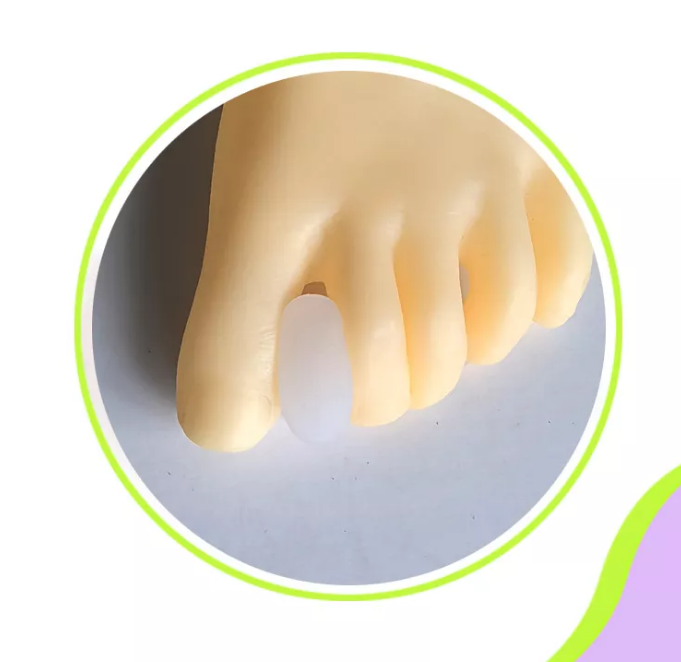
How long you can safely wear toe separators depends a lot on your foot health and what you want to achieve. If your toes are severely misaligned or if you have conditions like bunions or hammertoes, you might need to start with shorter wear times. Your feet need time to adjust to the new spacing, so beginning with 10-15 minutes daily is wise. Over weeks or months, you can gradually increase this to 1-2 hours or more, depending on comfort and progress.
Your goals also matter. If you want to relieve pain, shorter, consistent wear might suffice. For muscle strengthening or toe realignment, longer, regular use combined with exercises will be necessary. Remember, progress varies from person to person, and patience is key.
Not all toe separators are created equal. The material and fit greatly influence how long you can wear them comfortably. High-quality medical-grade silicone offers the right balance of softness and firmness, ensuring effective toe separation without causing irritation. Softer, squishier materials might feel comfortable but often lack the support needed for serious correction.
Fit matters too. Anatomically designed separators that match your foot’s shape prevent pinching and bunching. Poorly fitting separators can cause redness, numbness, or pain, signaling you should reduce wear time or switch products. Customizable or adjustable separators allow better fit and longer wear times.
Your genetics and age influence how your feet respond to toe separators. Some people inherit looser ligaments or foot structures prone to bunions, affecting how quickly and effectively separators work. Older adults might experience slower progress because healing and tissue adaptation slow with age.
Overall health also plays a role. Conditions like diabetes or arthritis can make your feet more sensitive or prone to injury, requiring more cautious use. Maintaining a healthy weight and good foot care habits can improve results and allow longer wear times.
When you first start using toe separators, it's best to begin slowly. Wearing them for just 10 to 15 minutes a day helps your feet get used to the new stretch and alignment. Your toes and foot muscles might feel a bit sore or tight at first—that's normal and means the muscles are waking up and adjusting. If you push too hard too soon, you risk discomfort or even injury, so patience is key.
Try to wear the separators in a relaxed setting at first, like while sitting or watching TV. This low-pressure environment lets your feet adapt without added strain. After about a week or two, if you feel comfortable, you can increase the wear time gradually.
Once your feet have adjusted to the initial stretch, slowly increase how long you wear the separators. Add 15 to 30 minutes every few days, aiming to reach 1 to 2 hours daily. This gradual build-up helps prevent soreness and allows your muscles and joints to strengthen and realign naturally.
Listen to your body. If you notice pain, numbness, or redness, reduce wear time and allow your feet to rest. Adjusting the fit of your separators can also help if discomfort persists. Over time, as your foot muscles grow stronger and more flexible, you may be able to wear toe separators for longer periods comfortably.
To maximize benefits, wear toe separators during activities that put weight on your feet. Walking, standing, yoga, and light exercise help activate foot muscles and improve balance while the separators keep your toes aligned.
Weight-bearing activities encourage muscle strengthening and better circulation. This combination accelerates progress in realigning toes and reducing foot pain. However, make sure your footwear has a wide toe box to accommodate the separators comfortably. Shoes that are too tight can negate benefits and cause irritation.
If you're new to wearing separators during exercise, start with short sessions and gradually increase duration. This approach helps your feet adapt to the added demands without discomfort. Begin wearing toe separators for 10-15 minutes daily, then increase time by 15-30 minutes every few days, incorporating weight-bearing activities to strengthen your feet safely and effectively.
Knowing the best times to wear toe separators helps you get the most benefit. Toe separators can be worn during many parts of your day, depending on your comfort and goals. Here’s a breakdown of the ideal times to wear them:
Wearing toe separators while you exercise or do physical activities is highly effective. Activities like walking, running, yoga, or hiking put weight on your feet, helping strengthen muscles while the separators keep your toes aligned. This combination improves balance and reduces injury risk. For athletes or active people, separators support foot mechanics during movement, making workouts safer and more efficient.
Make sure to wear shoes with a wide toe box during these activities. Shoes that are too tight can squeeze your toes, counteracting the benefits of separators.
After a workout, your feet might feel tired or cramped. Wearing toe separators during recovery helps stretch and realign your toes, easing tension and soreness. This gentle stretch can reduce swelling and prevent common problems like bunions or hammertoes from worsening. It’s a smart way to care for your feet after intense activity.
Toe separators can be worn during everyday tasks, including while at work, especially if your job requires standing or walking for long periods. Wearing them during desk work, breaks, or light duty tasks can relieve foot fatigue and improve circulation.
If your workplace allows, try wearing separators for short intervals. This can help reduce discomfort caused by prolonged standing or tight footwear.
Some people find wearing toe separators at night comfortable and beneficial. Wearing them while sleeping gives your toes extended time to realign and recover without interruption. It can reduce morning stiffness and improve circulation.
However, comfort varies. If separators cause discomfort or disrupt sleep, it’s best to remove them at night. Choose soft, flexible separators for overnight wear to avoid irritation. Wear toe separators during weight-bearing activities and rest periods to maximize foot alignment and recovery, but always prioritize comfort to avoid irritation or pain.
Wearing toe separators offers many benefits, but overdoing it can cause problems. It’s important to recognize when your feet are signaling you to take a break or adjust usage. Here are the key signs that you might be wearing toe separators too long:
A little soreness when starting out is normal, but persistent discomfort or sharp pain is not. If your toes or feet hurt during or after wearing separators, it’s a warning. Pain can mean the separators are too tight, worn too long, or not the right fit. Ignoring pain risks injury or worsening foot problems.
Numb toes or a tingling sensation can indicate restricted blood flow or nerve compression. Similarly, redness or irritation between toes signals excess pressure or friction. These symptoms often occur when separators are too tight or used for extended periods without breaks. They show your feet need rest or a better fitting product.
If you notice these signs, stop wearing the separators immediately and let your feet recover. When you resume, reduce wear time and gradually increase it, paying close attention to comfort. Try different styles or sizes to find the best fit. Soft, medical-grade silicone separators tend to be gentler and more comfortable for longer use.
Also, avoid wearing separators in tight shoes or during activities that cause excessive toe pressure. Incorporate breaks during the day to let your feet rest. If discomfort continues, consult a foot care professional to rule out underlying issues. Always listen to your feet—if pain, numbness, or redness appear, reduce wear time or adjust fit to maintain comfort and avoid injury.
Toe separators help improve foot alignment, stability, and comfort. Start with short wear times, gradually increasing to avoid discomfort. Consistent use enhances toe dexterity and muscle strength, reducing aches and pains. For best results, choose high-quality products and incorporate them into daily activities. Using toe separators from Kingstone ensures durability and comfort, supporting foot health effectively. Regular use can significantly enhance foot well-being and overall quality of life, making them a valuable addition to your foot care routine.
A: Toe separators are used to correct alignment issues, relieve pressure, and improve foot health by gently spreading the toes apart.
A: Start with 10-15 minutes daily and gradually increase to 1-2 hours, depending on comfort and foot condition.
A: They improve foot stability, enhance toe dexterity, and relieve pain from conditions like bunions.
A: Yes, wearing them during activities like walking or yoga can strengthen muscles and improve balance.


