
English 
T: +86-18251114333
E: kingleo_sz@126.com
E: kingleo_sz@126.com
3rd Floor, Building 2, No. 338 Jiangzhuang Road, Guoxiang Street, Wuzhong District, Suzhou City
Views: 0 Author: Site Editor Publish Time: 2025-11-10 Origin: Site


Bunions are more than just a cosmetic concern; they can cause significant discomfort and affect daily activities. If you've ever wondered how to manage bunion pain without surgery, you're not alone. Toe separators offer a non-invasive solution that many find beneficial. In this post, you'll learn about bunions, the role of toe separators, and how they can help alleviate symptoms.
Bunions, medically called hallux valgus, are bony bumps that form at the base of the big toe. This happens when the big toe starts leaning toward the other toes, pushing the joint outward. The result is a visible, often painful bump on the side of your foot. Bunions can make walking uncomfortable and even affect your choice of shoes.
Several factors can cause bunions or increase your risk of getting them:
Footwear: Shoes that are too tight, narrow, or have high heels put pressure on the toes and can encourage bunion formation.
Genetics: Your family’s foot shape might make you more likely to develop bunions.
Foot structure: Flat feet, low arches, or abnormal bone structure can contribute.
Age and gender: Bunions are more common as people age and tend to affect women more, likely due to shoe choices.
Other conditions: Arthritis or injuries to the foot can also play a role.
Bunions often start small but can worsen over time. Common symptoms include:
A bulging bump on the side of the big toe joint.
Redness, swelling, or soreness around the joint.
Pain when walking or wearing shoes.
Limited movement of the big toe.
Corns or calluses where toes rub together.
Doctors usually diagnose bunions through a physical exam and X-rays to check the angle of the toe and joint damage. Early diagnosis helps guide treatment options to manage pain and prevent worsening. Early recognition of bunion symptoms and risk factors is key to managing discomfort and slowing progression before surgery becomes necessary.
Toe separators are small devices designed to fit between your toes. Their main job is to keep toes apart, helping reduce friction and pressure, especially around bunions. They come in different shapes and materials to suit various needs and comfort levels.
Common types include:
Gel Toe Separators: Made from soft, flexible gel. They cushion toes gently and are comfortable for extended wear.
Silicone Toe Spacers: Durable and flexible, these provide firm separation and often last longer than gel versions.
Foam Toe Separators: Lightweight and soft, ideal for short-term use or during pedicures.
Toe Socks: Socks with individual compartments for each toe, which can help keep toes naturally separated.
Full Toe Spreaders: Devices that separate all five toes, encouraging natural toe splay and alignment.
Each type offers different levels of support and comfort, so choosing depends on your specific needs and how your feet respond.
Unlike surgical or rigid orthotic treatments, toe separators are non-invasive and easy to use at home. They focus on gently realigning the toes and easing discomfort rather than correcting bone deformities directly.
Here’s how they stand apart:
Non-Invasive: No surgery or medical procedures needed.
Flexible Use: Can be worn during rest or light activities.
Temporary Relief: Mainly reduce pressure and friction, easing pain.
Adjunct Therapy: Often used alongside other treatments like proper footwear or exercises.
No Structural Correction: They don’t reshape bones or fix severe bunions but can slow progression in early stages.
Other treatments, such as orthotics or surgery, aim to correct foot mechanics or physically alter the bunion. Toe separators offer a gentler, supportive approach, making them a popular first step or complementary option. When choosing toe separators, try different materials and sizes to find the most comfortable fit that suits your daily activities and bunion severity.
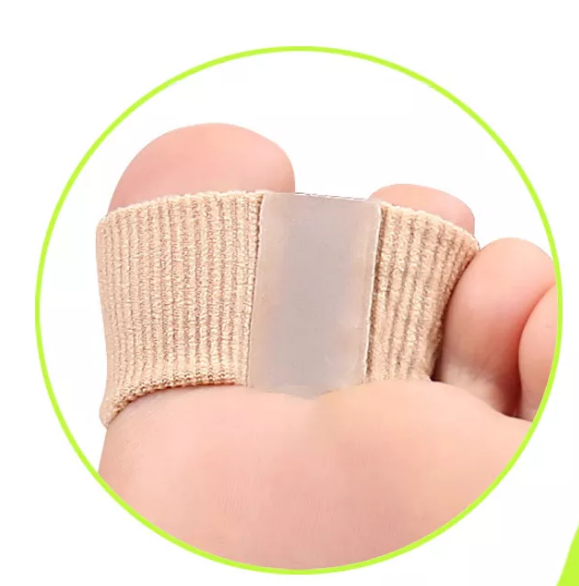
Toe separators work by gently pushing the toes apart, especially the big toe, which tends to lean inward in bunions. By creating space between the toes, they reduce friction and pressure on the bunion bump. This separation helps realign the big toe closer to its natural position, easing tension on the joint.
The devices come in soft materials like silicone or gel, making them comfortable to wear for periods throughout the day or night. As the toes spread, the foot’s mechanics improve, promoting better balance and reducing stress on the bunion area. This can also help prevent the toes from rubbing against each other, which often causes calluses and soreness.
Toe separators don’t reshape bones directly. Instead, they influence the soft tissues—like ligaments and muscles—around the joint, encouraging gradual realignment. They are most effective when used consistently and combined with exercises that strengthen the foot muscles.
The success of toe separators depends largely on the bunion’s severity:
Early-Stage Bunions: In mild cases, toe separators can slow or stop progression. By gently realigning the big toe, they reduce abnormal pressure on the joint, potentially preventing the bunion from worsening. Consistent use, along with proper footwear, can maintain toe alignment and reduce pain.
Moderate Bunions: For bunions that have developed more noticeably, separators may not fully reverse the deformity but can improve comfort and toe positioning. They reduce friction and help manage symptoms but cannot reshape the bony bump. Used alongside foot exercises and supportive shoes, they provide meaningful relief.
Severe or Advanced Bunions: When the bunion is well-established with significant bone changes, toe separators cannot correct the deformity. However, they still offer non-invasive pain relief and help maintain some toe spacing. In these cases, separators are part of a broader management plan, possibly including orthotics or surgery.
In all stages, toe separators work best as part of a comprehensive foot care routine. They help manage symptoms and support alignment but are not a standalone cure. For best results, gradually increase the time you wear toe separators each day to allow your feet to adjust comfortably and avoid irritation.
Toe separators help reduce pain caused by bunions by easing pressure between the toes. By gently pushing the big toe away from the second toe, they create space that lessens friction and rubbing on the bunion bump. This can provide immediate comfort, especially when wearing shoes. Many people find that toe separators help reduce soreness after long periods of standing or walking.
The soft materials used, like gel or silicone, cushion the toes and protect sensitive skin from irritation. Wearing toe separators during rest or light activity can soothe inflamed areas, making daily movement easier. While they don’t eliminate pain completely, they are a simple, non-invasive way to manage discomfort.
Toe separators encourage better toe positioning by gently realigning the big toe toward its natural direction. Over time, this can reduce the inward drift that contributes to bunion formation. They act on the soft tissues—ligaments and muscles—around the joint, helping to stretch and relax tight areas.
Especially in early-stage bunions, consistent use of toe separators can help maintain or slightly improve toe alignment. This prevents the toes from crowding and overlapping, which often worsens bunion symptoms. When combined with toe-strengthening exercises, separators support healthier foot mechanics and balance.
One of the key benefits of toe separators is their potential to slow bunion progression. By reducing abnormal pressure on the big toe joint and improving toe spacing, they help prevent the deformity from worsening. This is particularly important for those noticing early signs of bunions or mild discomfort.
Separators act as a supportive tool, helping maintain natural toe splay and joint function. While they can't reverse bone changes, they can delay the need for more invasive treatments like surgery. Using toe separators alongside proper footwear and foot care habits forms a proactive approach to bunion management. For best results, wear toe separators regularly in comfortable, wide-toed shoes to maximize pain relief, alignment benefits, and bunion progression prevention.
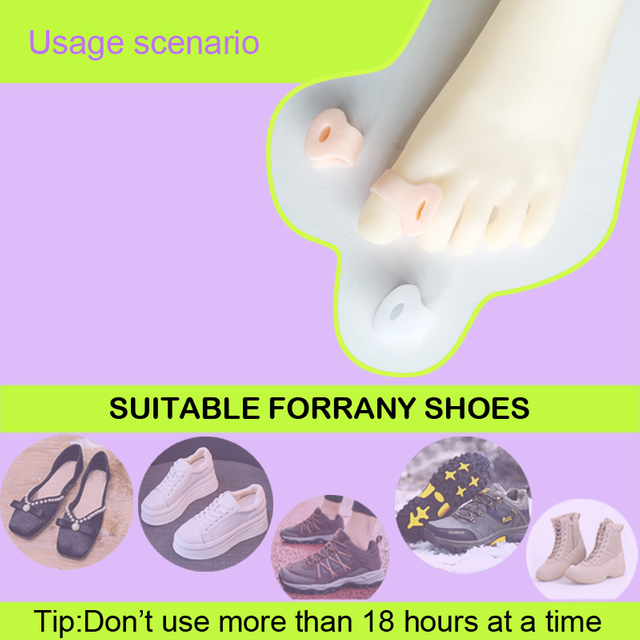
Toe separators can help ease bunion symptoms, but they don't cure bunions. A bunion is a structural change in the foot involving bone and joint misalignment. Separators mainly affect soft tissues like muscles and ligaments, gently pushing toes apart. However, they cannot reverse the bone deformity or fully realign the joint once the bunion is well established.
In mild or early stages, separators might slow progression by improving toe spacing and reducing pressure. But as the bunion worsens, the bony bump becomes more rigid, and separators lose their ability to make significant changes. Surgery remains the only way to correct the underlying bone misalignment completely.
Also, toe separators do not address other causes of bunions, such as foot mechanics or inherited foot structure. Without managing these factors, bunions may continue to worsen despite using separators.
While toe separators are generally soft and flexible, some users may experience discomfort. Wearing them for long periods can cause irritation, redness, or soreness, especially if separators don’t fit well or if shoes are tight.
Breaking in separators gradually is important to avoid pain. For some, toe separators can feel awkward or restrictive at first, leading to inconsistent use. Additionally, wearing separators requires shoes with enough room in the toe box. Tight or narrow footwear can worsen discomfort and reduce the separators’ effectiveness.
Users with sensitive skin or pre-existing foot conditions might find separators uncomfortable or unsuitable. It’s important to monitor any irritation and consult a healthcare professional if pain or skin issues arise.
Tip: Start wearing toe separators for short periods daily, increasing wear time gradually to reduce discomfort and improve foot adjustment.
Toe separators work best when paired with shoes that give your toes plenty of room. Choose footwear with a wide, rounded toe box that doesn't squeeze your toes together. Avoid high heels or narrow shoes that increase pressure on the bunion area. Shoes made from soft, flexible materials help reduce irritation caused by separators. Proper footwear supports natural toe alignment and prevents worsening of the bunion.
When using toe separators, consider shoes designed anatomically to match the shape of your foot. This combination allows the separators to do their job without causing discomfort or rubbing. Remember, even the best separators won’t help much if your shoes keep pushing your toes into unnatural positions.
Adding foot exercises strengthens muscles around the toes and improves flexibility. Exercises like toe curls, toe spreads, and arch lifts support the realignment encouraged by separators. They help maintain joint mobility and reduce stiffness, which often accompanies bunions.
Maintaining a healthy weight also reduces stress on your feet. Excess weight puts extra pressure on the big toe joint, accelerating bunion progression. Combining weight management with toe separators and exercises creates a balanced approach to managing bunions.
Before starting any bunion treatment, consult a podiatrist or foot specialist. They can assess the severity of your bunion and recommend the best combination of therapies. Professionals can guide you on the correct use of toe separators and suggest custom orthotics or physical therapy if needed.
Regular check-ups help monitor bunion progression and adjust your treatment plan. If pain worsens or mobility decreases, professional advice becomes even more crucial. Remember, toe separators are part of a broader strategy and work best under expert guidance. Gradually break in toe separators by wearing them for short periods daily, increasing time as comfort improves to avoid irritation and maximize benefits.
Toe separators offer non-invasive relief for bunions by reducing pressure and improving toe alignment. They are most effective in early stages, providing comfort and slowing progression. However, they don't cure bunions or address severe deformities. Consistent use with proper footwear enhances results. For those seeking an easy, supportive solution, Kingstone's toe separators provide value. They are designed for comfort and can be integrated into a comprehensive bunion management plan, offering a practical option for those with mild to moderate bunions.
A: Toe separators are small devices placed between toes to reduce friction and pressure, aiding in bunion relief.
A: Toe separators gently realign toes, reducing pressure on bunions and providing pain relief.
A: No, toe separators cannot cure bunions; they offer symptom relief and slow progression.
A: Toe separators are generally affordable, with prices varying by type and material.
A: Discomfort can occur if toe separators don't fit well or if shoes are too tigh.


