
English 
T: +86-18251114333
E: kingleo_sz@126.com
E: kingleo_sz@126.com
3rd Floor, Building 2, No. 338 Jiangzhuang Road, Guoxiang Street, Wuzhong District, Suzhou City
Views: 0 Author: Site Editor Publish Time: 2025-11-20 Origin: Site


Foot pain can be debilitating, making everyday activities uncomfortable or even unbearable. Whether you are suffering from metatarsalgia, plantar fasciitis, calluses, or blisters, finding the right foot cushion is essential for relief. Gel Metatarsal Pads have become a popular solution, offering targeted relief for various foot conditions. However, with so many different types of foot cushions available, it can be difficult to determine which option is best for your needs.
In this article, we will compare Gel Metatarsal Pads with other popular foot cushions—foam, memory foam, silicone, and orthotic insoles—to help you make an informed decision. We'll also cover important factors to consider when choosing a foot cushion, discuss which product works best for specific foot issues, and provide a price comparison to ensure you get the best value for your money.
Gel Metatarsal Pads are soft, flexible cushions made from a durable gel material. The gel is known for its ability to absorb shock, reduce friction, and provide cushioning. These pads are typically placed under the ball of the foot to relieve pressure and support the metatarsal bones. They are designed to help with foot pain related to conditions like metatarsalgia, calluses, and neuromas.
The gel material conforms to the foot’s shape, offering customized support and comfort, making them a popular choice for people on their feet for extended periods or those suffering from foot conditions. The pads are lightweight and typically fit in most shoes without adding bulk, providing both relief and practicality.
The primary function of Gel Metatarsal Pads is to redistribute pressure on the foot, particularly in the forefoot area. This helps to reduce the intensity of foot pain caused by high-impact activities, prolonged standing, or wearing high heels. The pads alleviate pressure on the ball of the foot by spreading the load evenly across the foot's surface, reducing strain on the metatarsals and preventing further irritation.
By minimizing friction and absorbing shock, Gel Metatarsal Pads help reduce the risk of developing calluses and blisters. This combination of comfort and protection makes them ideal for people with foot pain or anyone seeking additional cushioning.
There are various types of foot cushions available, each designed to address specific needs and preferences. Here is a breakdown of the most common types:
Material: Gel-based, flexible, and durable.
Comfort: Provides targeted pressure relief and shock absorption.
Usage: Ideal for conditions like metatarsalgia, calluses, and general foot fatigue.
Advantages: Conforms to the shape of the foot, providing excellent support.
Disadvantages: Can wear out faster under heavy use compared to other materials.
Material: Soft foam that compresses under pressure.
Comfort: Offers moderate cushioning and support.
Usage: Suitable for general foot fatigue and mild pain relief.
Advantages: Lightweight and cost-effective.
Disadvantages: May not offer enough support for more severe conditions and may compress too quickly with use.
Material: Viscoelastic foam that molds to the shape of your foot.
Comfort: Provides personalized support and relief by adjusting to foot pressure.
Usage: Ideal for those with foot arch problems, heel pain, or plantar fasciitis.
Advantages: Excellent comfort and support, long-lasting.
Disadvantages: May be too soft for some individuals and does not provide the same level of shock absorption as gel pads.
Material: Silicone rubber, known for its durability and elasticity.
Comfort: Provides firm support and cushioning.
Usage: Best for people with severe foot pain or those who require firm support.
Advantages: Highly durable, long-lasting, and supportive.
Disadvantages: May be less flexible and not as comfortable for prolonged use.
Material: Varies (foam, gel, or plastic).
Comfort: Provides full-foot support, including the arch and heel.
Usage: Ideal for people with specific foot conditions like plantar fasciitis, flat feet, or overpronation.
Advantages: Full-foot support, corrects alignment, and relieves pain in the arch and heel.
Disadvantages: Can be bulky and may not fit into all shoes.
When selecting a foot cushion, there are several important factors to keep in mind to ensure you get the best solution for your foot health:
The primary goal of any foot cushion is to provide comfort by relieving pressure and reducing pain. Gel Metatarsal Pads are known for their ability to offer superior cushioning for the ball of the foot. Compared to foam and memory foam pads, which tend to compress over time, gel pads provide more consistent support and pressure relief.
Foot cushions are an investment in your comfort, and their longevity is an important consideration. Gel Metatarsal Pads typically last longer than foam and memory foam cushions, which can break down after repeated use. Silicone cushions are also known for their durability, while orthotic insoles are built to withstand extended use and provide consistent support.
It's crucial to choose a foot cushion that fits properly in your shoes. Gel Metatarsal Pads are designed to fit most shoes without taking up too much space, making them versatile for various shoe types. Foam and memory foam cushions may not fit as comfortably in narrower shoes. Orthotic insoles, on the other hand, may require you to size up in your footwear to accommodate their bulk.
Foot cushions made from breathable materials help prevent excessive sweating and moisture buildup, which can lead to discomfort and odors. Gel Metatarsal Pads and silicone cushions are typically more breathable than foam or memory foam pads. This is especially important for individuals who are on their feet for long periods or live in warm climates.
Foot cushions should be easy to clean and maintain. Gel Metatarsal Pads are generally easy to wipe clean, making them convenient for regular use. Foam cushions can accumulate dirt and moisture over time, making them harder to maintain. Orthotic insoles, while effective, may require more care in cleaning to ensure their longevity.
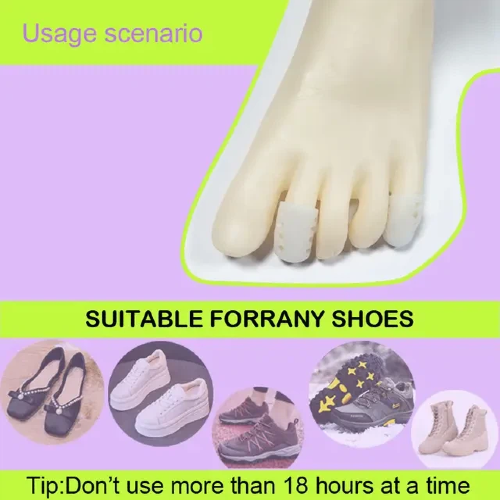
Now, let's compare Gel Metatarsal Pads with other types of foot cushions in terms of comfort, durability, and effectiveness in addressing common foot problems.
Foot Cushion Type | Comfort | Durability | Pressure Relief | Ideal For | Disadvantages |
Gel Metatarsal Pads | High | High | Excellent | Metatarsalgia, calluses, general foot fatigue | May wear out over time with heavy use |
Foam Cushions | Moderate | Low | Moderate | General foot fatigue, mild pain | Compresses quickly, lacks firm support |
Memory Foam Cushions | High | High | Excellent | Foot arch issues, heel pain, plantar fasciitis | Can be too soft for some users |
Silicone Cushions | Moderate | Very High | Good | Severe foot pain, firm support needs | Less flexible, may be uncomfortable for long use |
Orthotic Insoles | Very High | Very High | Excellent | Plantar fasciitis, flat feet, arch support | Bulky, may not fit all shoe types |
Different foot cushions work better for different types of foot issues. Here’s a breakdown of which cushion works best for various conditions:
For metatarsalgia, Gel Metatarsal Pads are ideal because they provide targeted relief to the ball of the foot, redistributing pressure and alleviating pain. They are more effective than foam cushions, which do not provide the same level of targeted support. Silicone cushions are also effective but may feel too firm for some users.
Memory foam cushions are excellent for those suffering from plantar fasciitis, as they mold to the shape of the foot and provide cushioning for the arch and heel. Orthotic insoles are also a great option, offering full-foot support and improving alignment.
To prevent and relieve calluses and corns, Gel Metatarsal Pads are effective because they reduce friction and pressure on the affected areas. Memory foam and foam cushions can provide relief but may not be as effective at preventing friction in the long run.
For foot fatigue, especially in individuals who stand for long periods or engage in physical activity, Gel Metatarsal Pads provide excellent cushioning and pressure relief. Memory foam pads can also be effective, but they may compress too quickly during extended use.
Foot Cushion Type | Price Range | Value for Money |
Gel Metatarsal Pads | $10 - $25 | High |
Foam Cushions | $5 - $15 | Moderate |
Memory Foam Cushions | $20 - $40 | High |
Silicone Cushions | $15 - $30 | High |
Orthotic Insoles | $30 - $80 | Moderate to High |
When considering the long-term value, Gel Metatarsal Pads are often the best investment for those suffering from foot pain. While they may need to be replaced after several months of use, their durability and effectiveness provide significant relief for various foot conditions. Orthotic insoles may have a higher initial cost but offer lasting support for individuals with chronic foot conditions like flat feet or plantar fasciitis.
In conclusion, Gel Metatarsal Pads offer exceptional targeted relief for common foot issues such as metatarsalgia, calluses, and foot fatigue. Their durability, affordability, and superior cushioning make them a standout choice for those seeking effective pressure relief and comfort. Compared to other foot cushions, Gel Metatarsal Pads excel in redistributing pressure and preventing friction, making them especially suitable for individuals with active lifestyles or those who spend long hours on their feet.
For specific conditions like plantar fasciitis or flat feet, however, orthotic insoles or memory foam cushions may provide more comprehensive support. Ultimately, the best foot cushion will depend on your unique foot care needs, preferences, and budget.
If you're looking for high-quality Gel Metatarsal Pads and other foot care solutions, Suzhou Kingstone Garments Co., Ltd. offers a range of products designed to provide lasting comfort and support. With their expertise and commitment to customer satisfaction, you can find the perfect foot cushion to address your specific concerns. Reach out to their team today to learn more or for personalized recommendations to help you step into greater comfort.
Yes, Gel Metatarsal Pads are suitable for most foot types, especially those experiencing ball-of-foot pain, metatarsalgia, or calluses. However, individuals with severe foot conditions should consult with a healthcare provider for personalized recommendations.
If you are experiencing pain in the ball of the foot or have issues with calluses or blisters, Gel Metatarsal Pads are likely the best option. If you have arch or heel pain, you might benefit more from memory foam or orthotic insoles.
Yes, Gel Metatarsal Pads are designed to fit most shoes, including sneakers, dress shoes, and boots. They provide cushioning without adding bulk, making them versatile for various types of footwear.
Gel Metatarsal Pads typically last for several months, depending on the frequency of use and the amount of wear and tear. They should be replaced when they show signs of flattening or reduced cushioning.
Yes, Gel Metatarsal Pads are easy to clean with a damp cloth and mild soap. Unlike foam cushions, they do not absorb moisture, making them more hygienic and easier to maintain.
Gel Metatarsal Pads are effective for mild to moderate foot pain. For severe foot conditions, such as chronic plantar fasciitis, orthotic insoles or medical intervention may be required.


