
English 
T: +86-18251114333
E: kingleo_sz@126.com
E: kingleo_sz@126.com
3rd Floor, Building 2, No. 338 Jiangzhuang Road, Guoxiang Street, Wuzhong District, Suzhou City
Views: 0 Author: Site Editor Publish Time: 2025-11-10 Origin: Site


For anyone struggling with painful or misaligned toes, especially those with bunions, the promise of a toe straightener can sound like a much-needed relief. These simple yet thoughtfully designed tools are created to gently realign the toes, relieve friction, and ease pressure around the joint. While they may not permanently reverse bunions, they can significantly improve comfort, foot alignment, and day-to-day mobility. As a professional manufacturer of advanced foot care products, Suzhou Kingstone Garments Co., Ltd has spent over 14 years developing innovative solutions to enhance foot health. In this article, we’ll explore what toe straighteners do, how they work, and what realistic results users can expect from using them.
A toe straightener is a foot care device designed to help realign toes that have become misaligned due to bunions, overlapping toes, or other foot deformities. It works by gently separating and repositioning the toes to restore natural spacing and reduce stress on surrounding joints and tissues. Toe straighteners are typically made from soft, medical-grade materials that allow comfortable use throughout the day or night.
Silicone Toe Spacers:
These are flexible, soft, and easy to wear between the toes. They help correct mild alignment issues and reduce friction, making them ideal for daily use inside shoes.
Toe Splints:
Splints offer firmer support. They hold the toe in a fixed position, often used during rest or recovery to gradually guide the joint back into a more natural alignment.
Overnight Bunion Splints:
Designed for nighttime use, these provide gentle corrective tension while you sleep. They aim to relieve morning stiffness and discomfort caused by bunions.
Gel Sleeves:
These combine cushioning and spacing, reducing pressure on bunions while preventing calluses and blisters. They are excellent for users seeking both comfort and correction.
Each of these designs serves a specific purpose depending on the user’s needs—some focus on comfort and spacing, while others provide more structural correction.
Toe straighteners are becoming increasingly popular because they are simple, affordable, and convenient to use. They fit into an active lifestyle and do not require a doctor’s supervision for mild cases. For people who spend long hours standing or walking, even small improvements in toe alignment can greatly improve daily comfort and mobility.
Toe straighteners are versatile tools that can address several common foot problems.
One of the main reasons people turn to toe straighteners is bunion pain. Bunions occur when the big toe deviates inward, forming a bony bump on the side of the foot. By separating and aligning the big toe, a toe straightener can reduce pressure on the joint and slow the progression of the deformity. Though it won’t permanently remove a bunion, it can relieve pain and improve the appearance and comfort of the foot.
When toes overlap due to tight footwear or genetic factors, a toe straightener helps by creating space between them. This prevents rubbing and irritation while gently encouraging a more natural toe position over time.
For those with early-stage hammer toes, which bend at the middle joint, toe straighteners can help reduce stiffness and discomfort. Regular use may assist in maintaining flexibility and preventing further curling.
By separating the toes, toe straighteners minimize constant rubbing that leads to painful calluses and blisters. This makes them beneficial not only for structural alignment but also for general foot comfort and skin health.
Toe straighteners can also help users who have trouble finding properly fitting shoes. When toes are spaced naturally, footwear fits better and more comfortably, reducing strain on the entire foot.
While toe straighteners are popular, understanding what medical research and professionals say about their effectiveness is essential.
Clinical studies and podiatric experts generally agree that toe straighteners offer temporary and supportive relief, not a permanent correction of bunions or major deformities. They are most effective when used consistently as part of a broader foot care routine, including proper footwear, stretching, and maintaining healthy joint mobility.
Medical findings show that toe spacers and splints can help reduce pain, improve toe spacing, and relieve pressure in the metatarsophalangeal joint. They can also slow the progression of bunions by maintaining joint alignment. However, they cannot realign bones that have already shifted significantly.
Experts also emphasize that early intervention makes a big difference. When used at the first signs of discomfort or minor misalignment, toe straighteners can help maintain healthier joint positioning and delay or even prevent the need for surgery. The key is consistency—using them regularly rather than occasionally ensures better outcomes.
In short, science supports their value for symptom relief and preventive care—but they are not substitutes for medical treatment or surgery in severe cases.
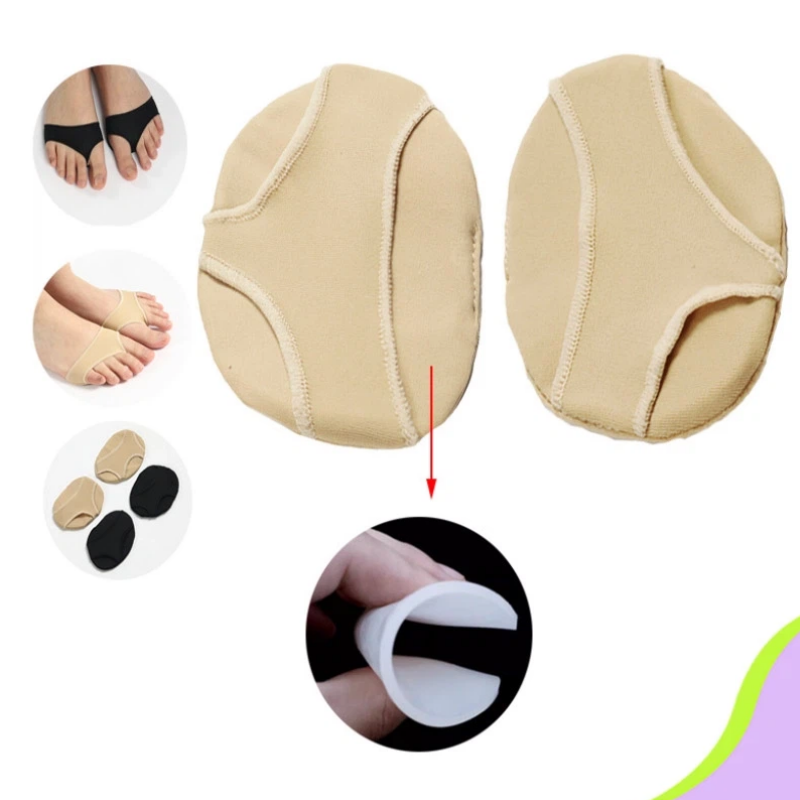
Proper use is key to achieving the best results and avoiding discomfort.
Toe straighteners come in both daytime and nighttime versions.
Daytime use: Choose softer, flexible silicone models that fit comfortably inside shoes. They should not cause pain or restrict movement.
Nighttime use: Splints or rigid correctors can be worn while resting to maintain alignment without the pressure of walking.
Begin with short periods—15 to 30 minutes daily—and gradually increase the duration as your feet adjust. Many users find wearing them for a few hours a day provides noticeable comfort within a week. For best results, it’s recommended to combine daytime wear with nighttime use, allowing the toes to stay in proper alignment for longer periods.
Ensure the device fits snugly but not tightly. If you feel numbness, tingling, or increased pain, remove it immediately. Toe straighteners are aids, not braces—comfort is the top priority.
If your bunion is severely swollen, inflamed, or limits your walking ability, consult a podiatrist. Toe straighteners can help with mild to moderate cases but may not be suitable for advanced deformities.
Proper foot hygiene also matters—clean and dry your feet before applying any device, especially silicone or gel products, to prevent irritation or infection.
What kind of results should you realistically expect from using a toe straightener?
Most users report significant improvement in comfort after a few days to weeks. By reducing joint friction and spreading the toes naturally, toe straighteners relieve pressure on bunions and adjacent toes.
Within a month of regular use, users often notice better toe spacing and smoother motion during walking. These small changes contribute to overall foot stability and reduce pain during long hours of standing.
With continued use, toe straighteners can help maintain proper alignment, prevent calluses, and delay worsening of bunions. However, users must combine them with supportive footwear and good foot care habits to maximize long-term effects.
It’s also important to set realistic expectations. Toe straighteners will not completely reverse a bunion, but they can make living with one far more manageable. Many customers appreciate the sense of relief and comfort they experience when incorporating a toe straightener into their daily routine.
Although toe straighteners provide valuable relief, there are cases where they are not sufficient on their own.
If your bunion causes constant pain, swelling, or visible bone protrusion that affects walking, a medical evaluation is necessary. Surgery might be required to correct bone misalignment.
When the joints become stiff or the deformity is fixed, conservative devices like toe straighteners may no longer provide adequate correction. Orthotics or medical intervention may be needed.
If you experience persistent pain, numbness, or tingling, it could indicate deeper structural problems that require professional diagnosis. Toe straighteners should be part of a broader care plan rather than the only solution.
Still, for most people, consistent use can provide daily comfort, promote better posture, and prevent further deterioration. Combined with high-quality materials and ergonomic design—like those made by Suzhou Kingstone Garments Co., Ltd—toe straighteners can be both safe and highly effective aids for maintaining foot health.
Toe straighteners can be a practical, non-invasive aid for those seeking bunion relief and improved toe alignment. They ease discomfort, reduce friction, and support natural spacing, helping users move more comfortably and confidently. At Suzhou Kingstone Garments Co., Ltd, we specialize in producing premium-quality foot care products backed by over 14 years of expertise, trusted by global brands such as Walmart, CVS, and Walgreens. Our innovative designs combine comfort, safety, and lasting relief for your feet. If you’re ready to experience better foot health and comfort, feel free to contact us today to learn more about our advanced foot care solutions.


